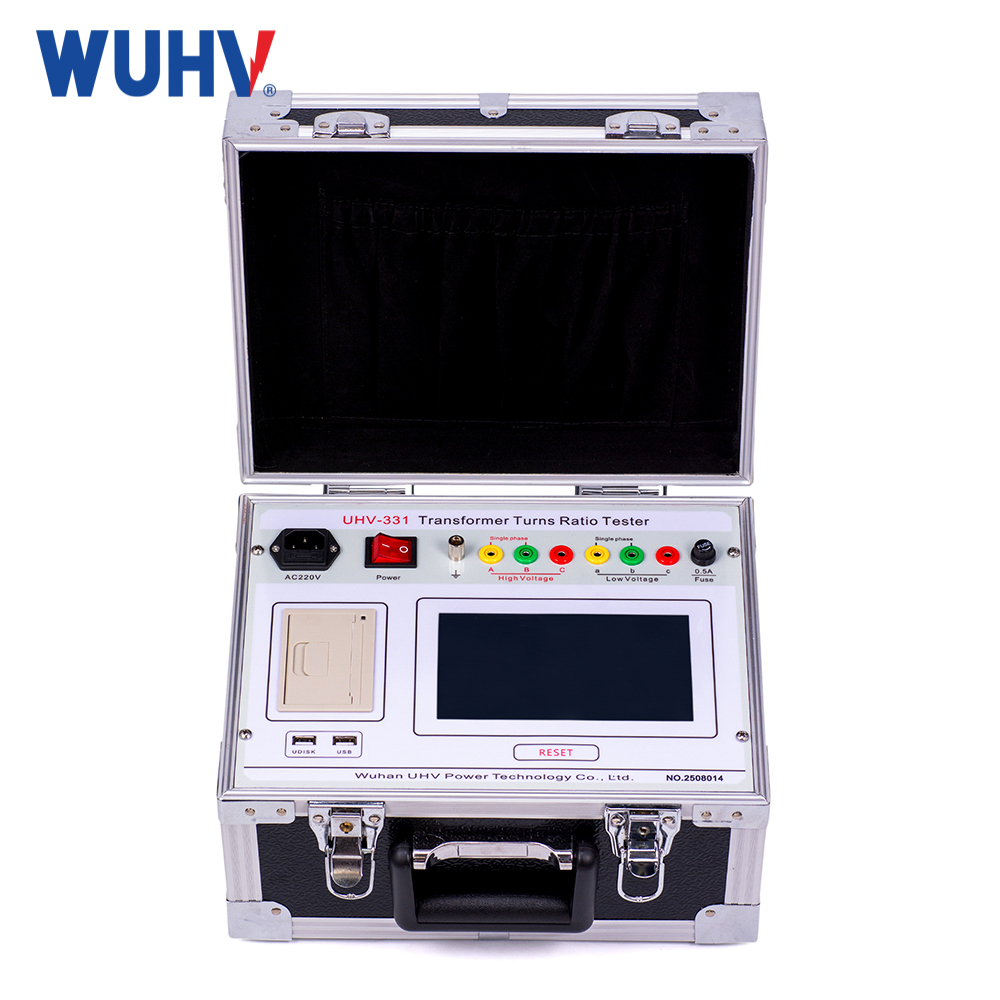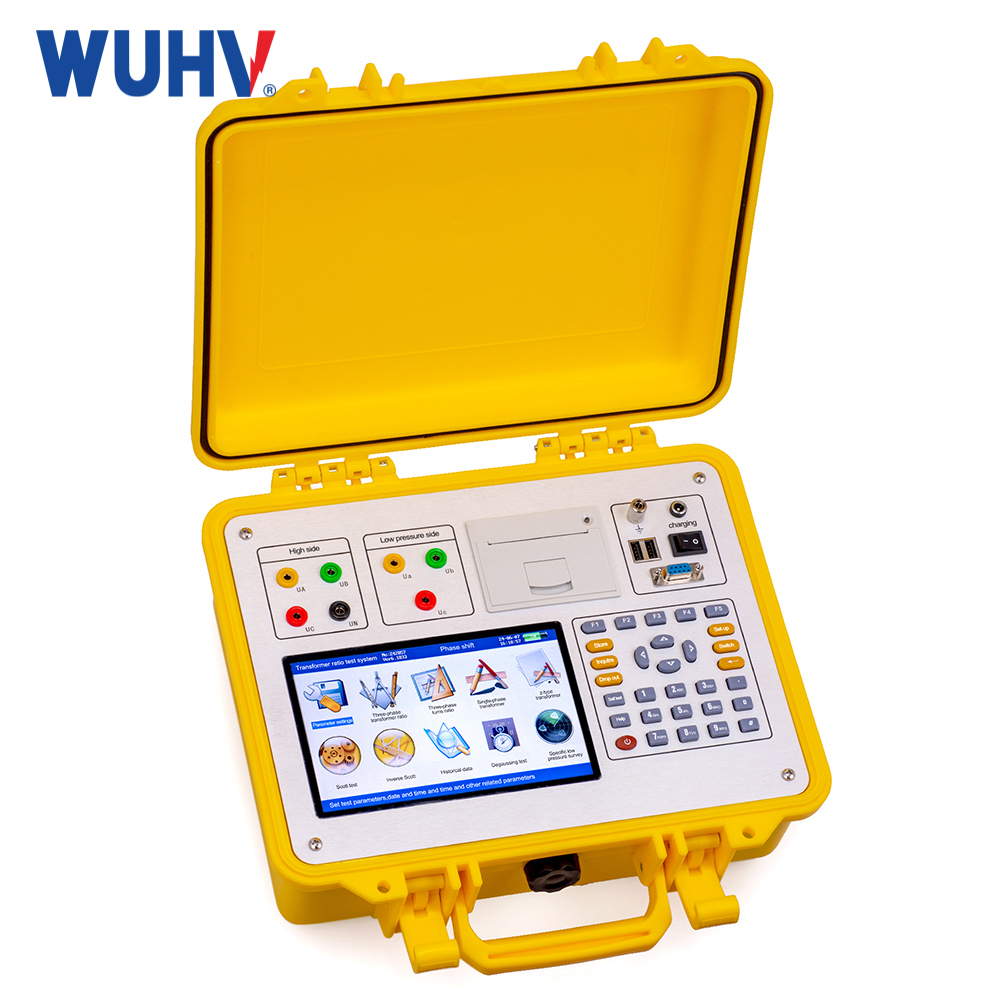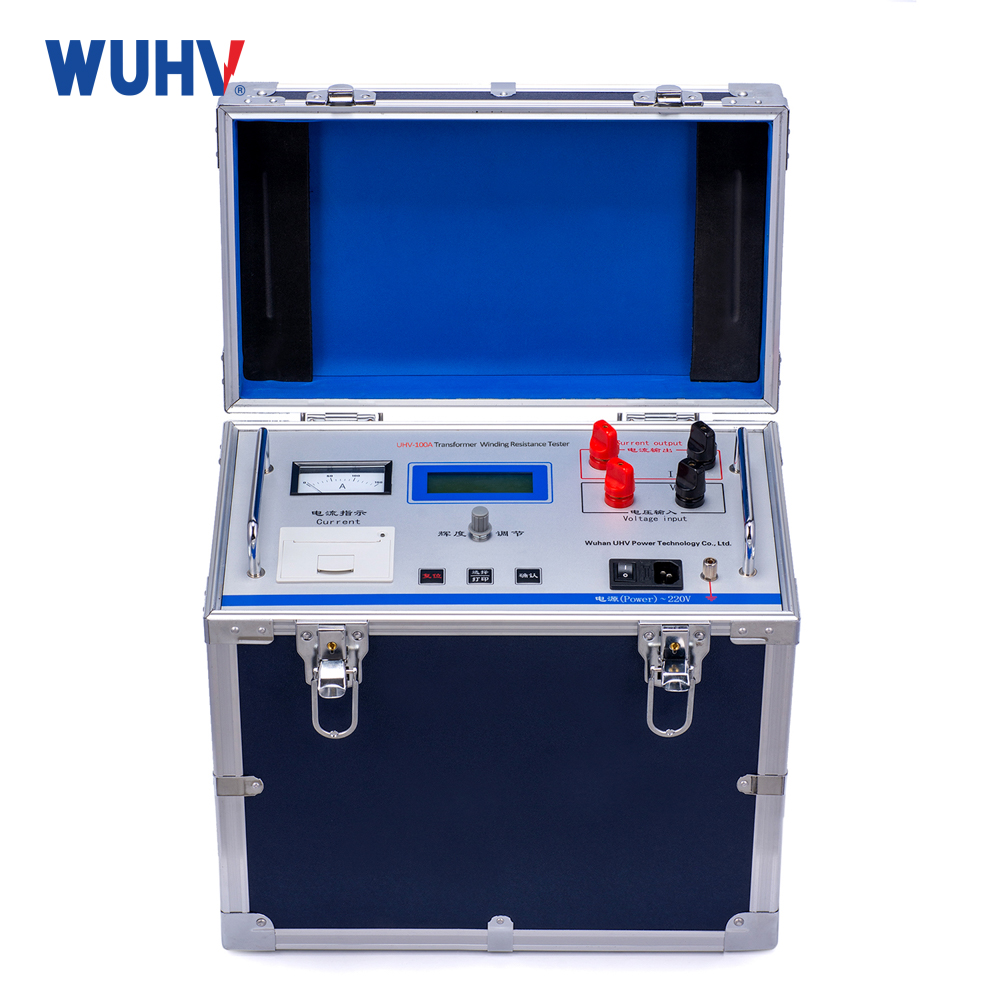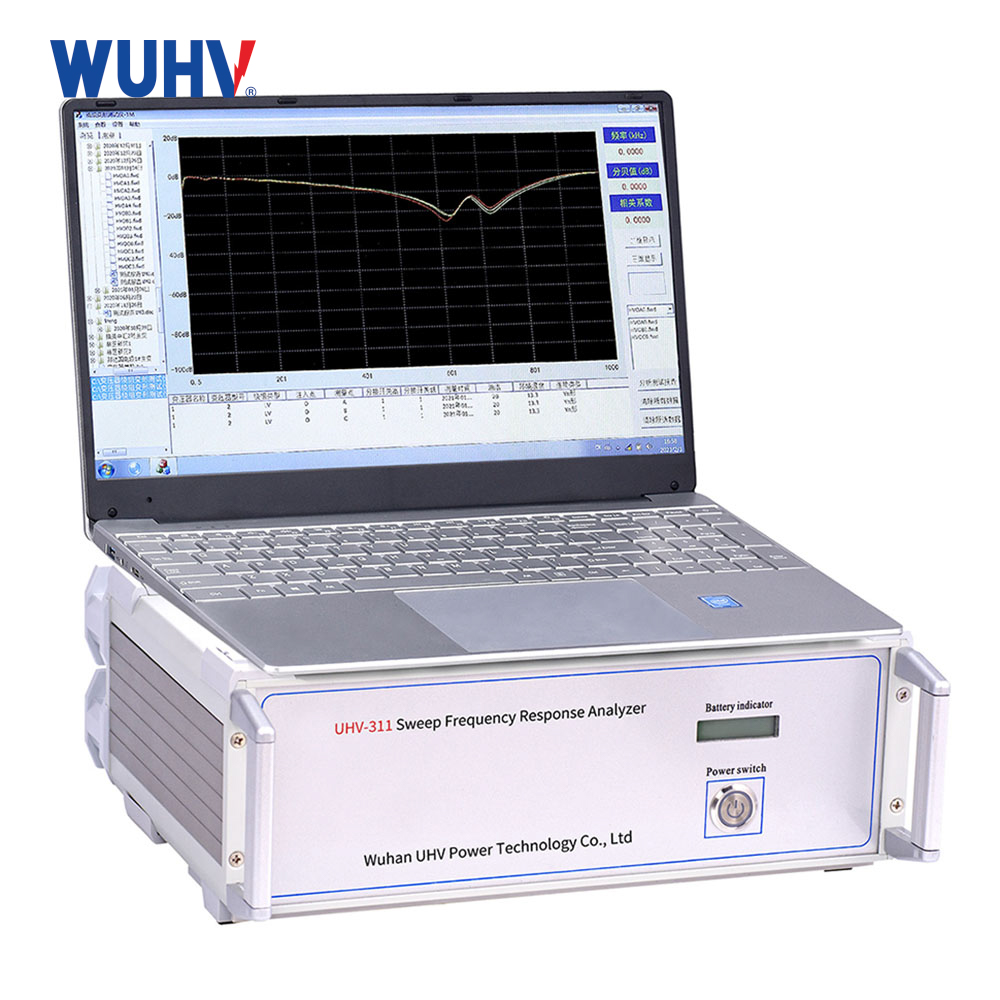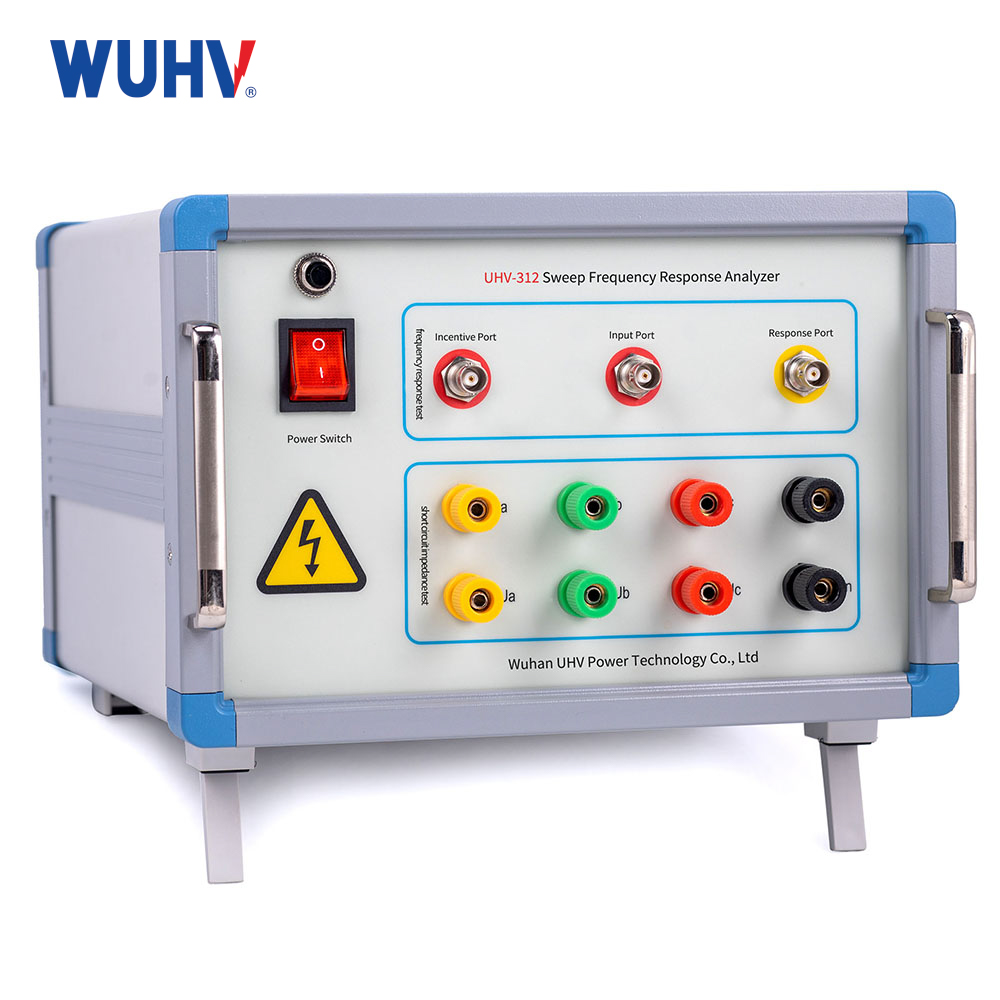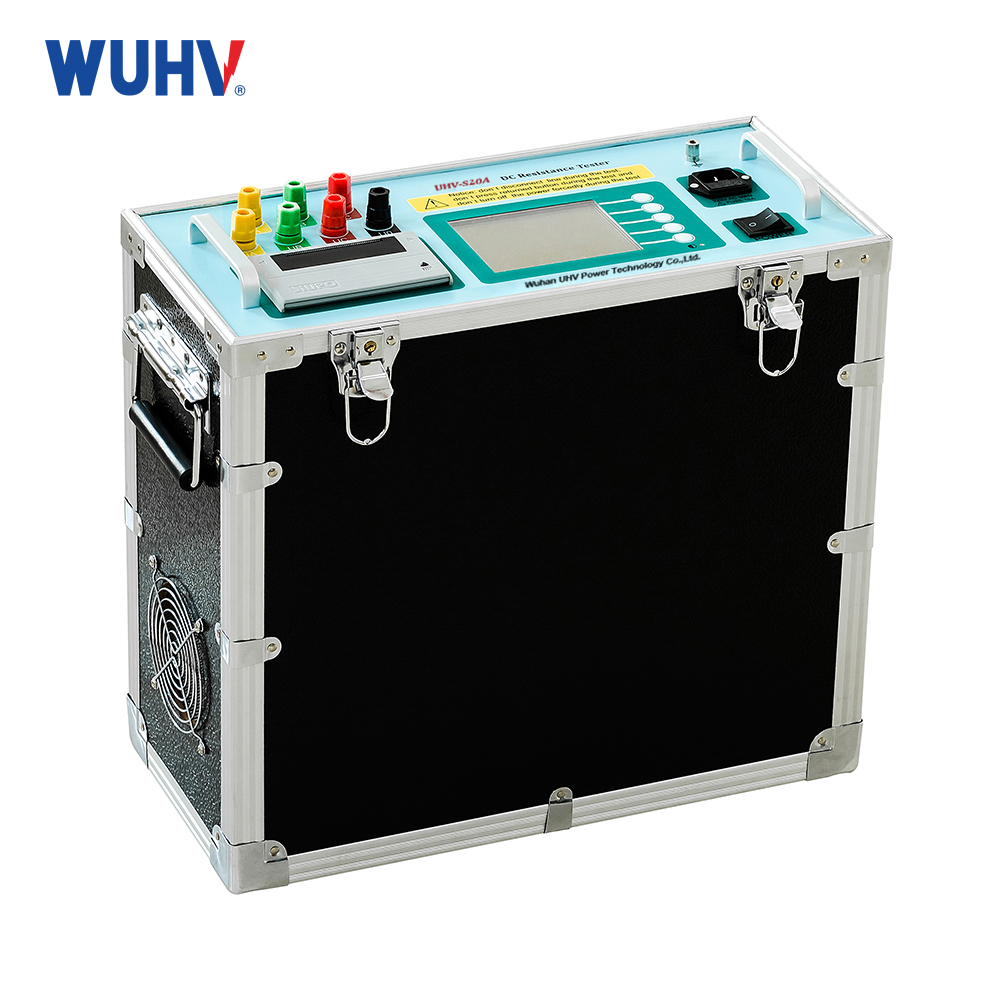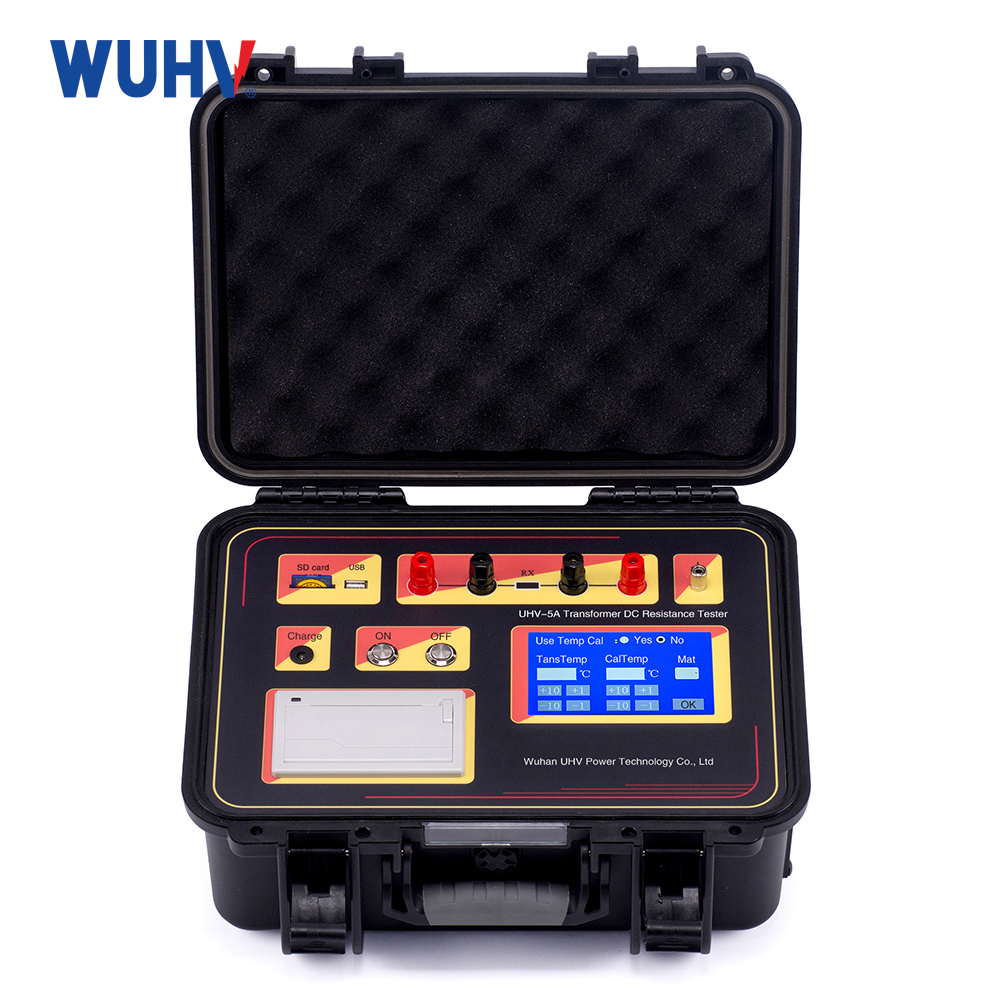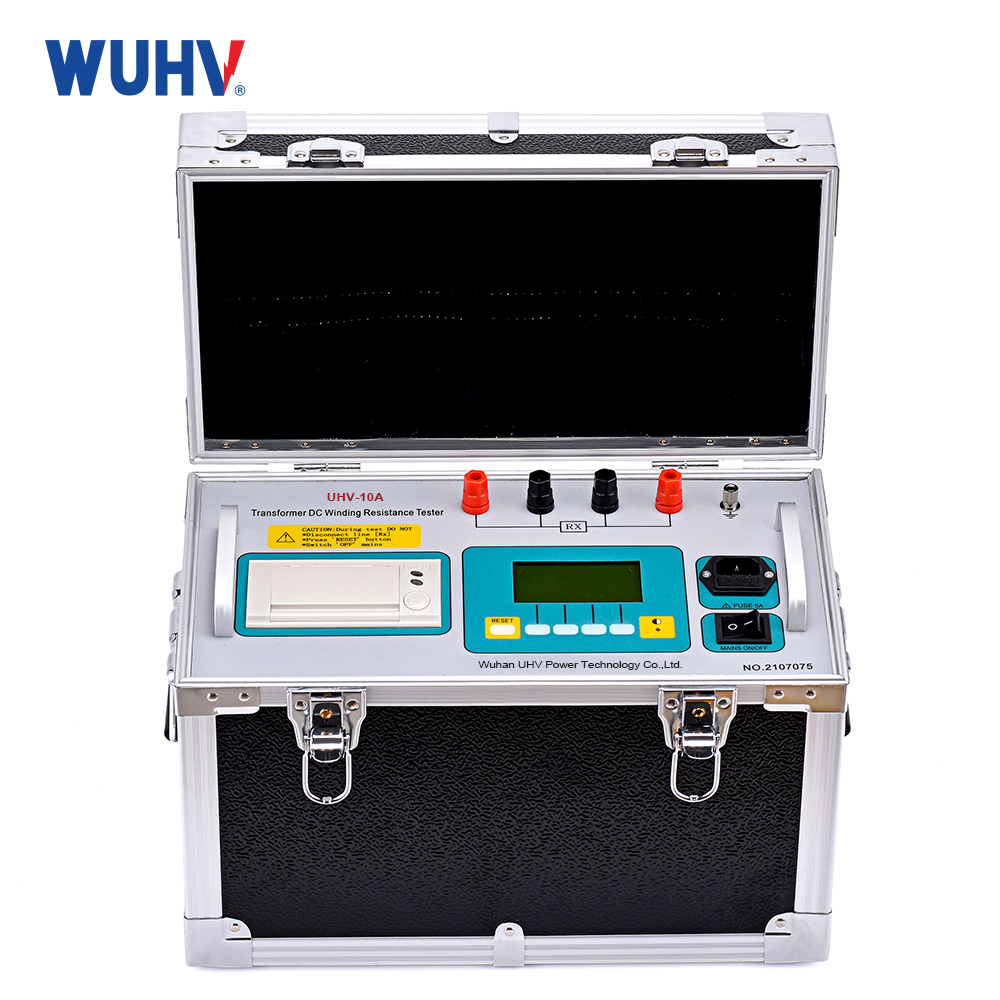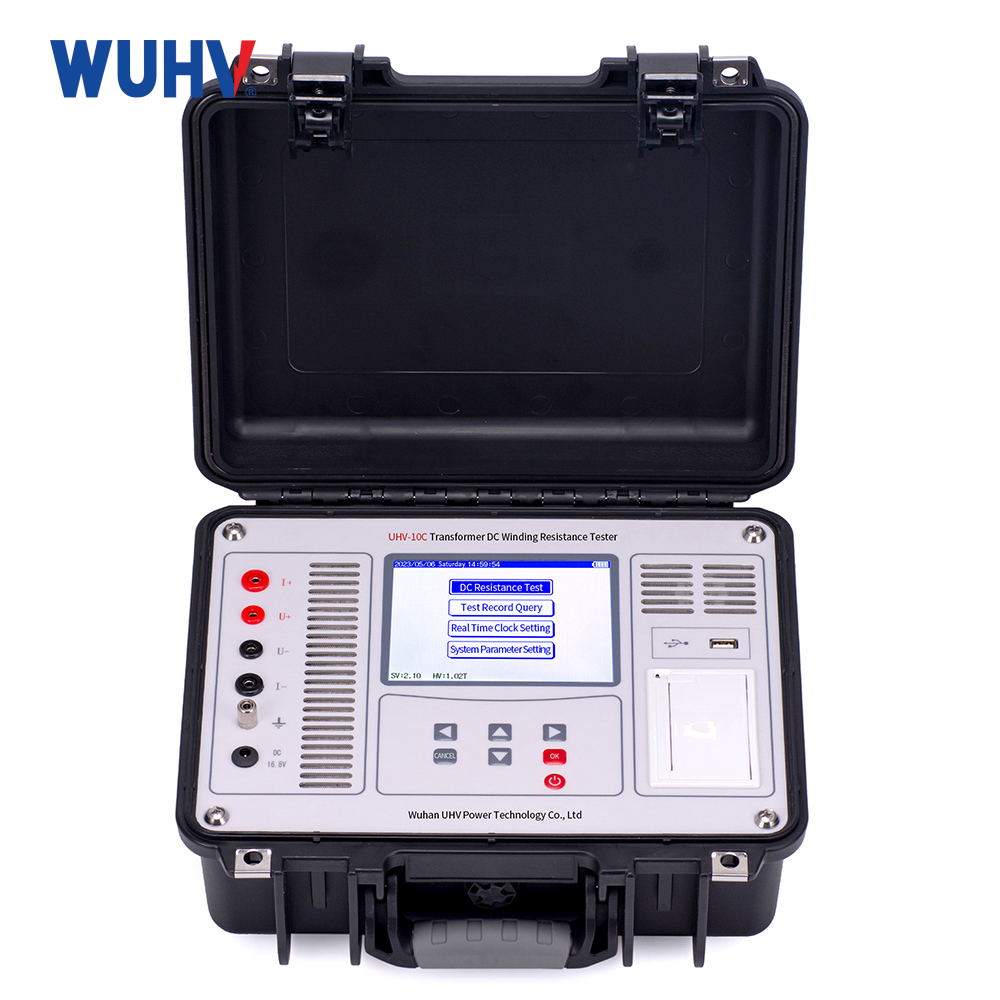
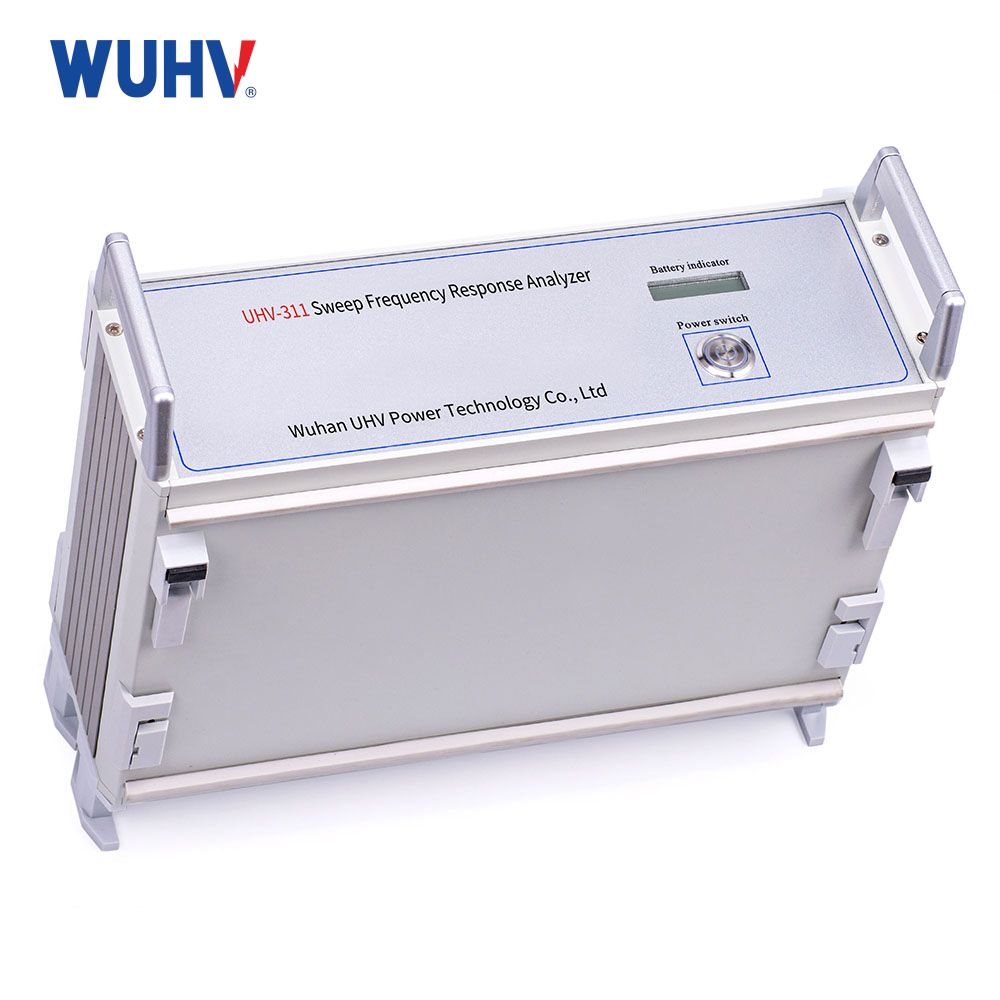
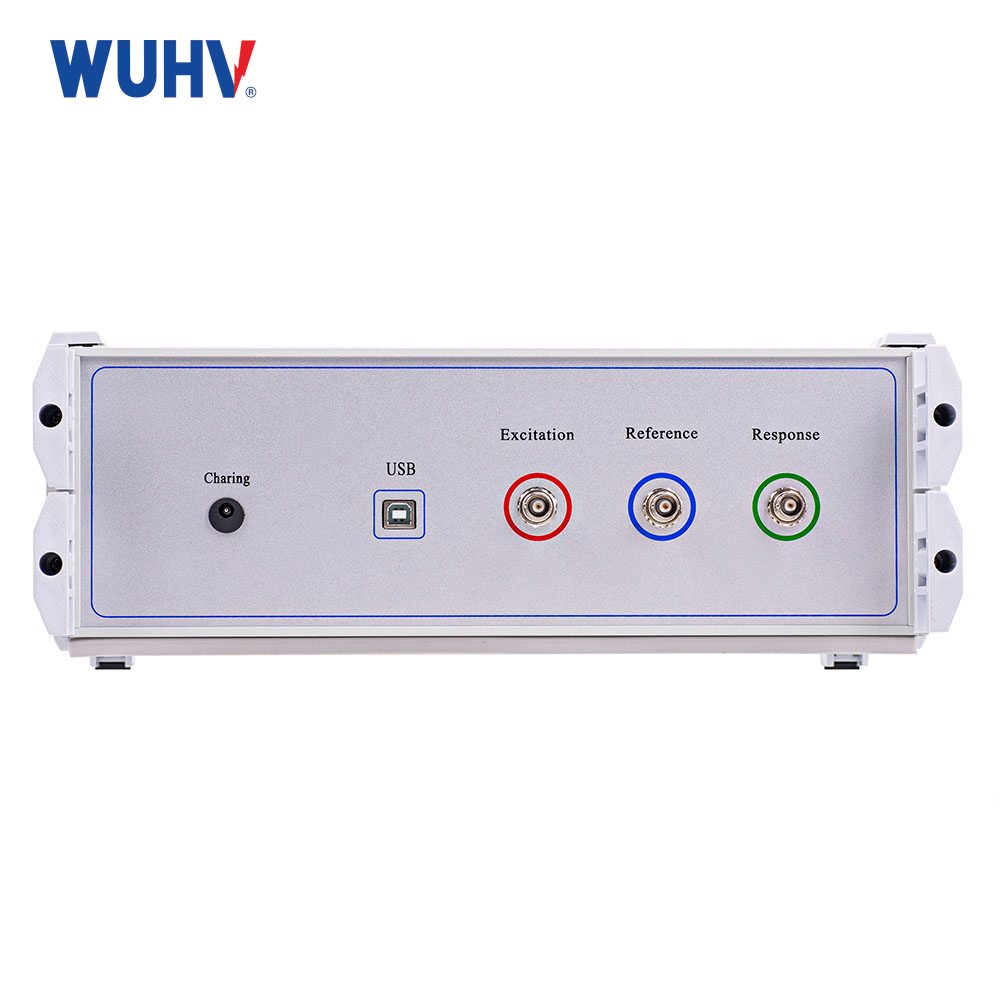
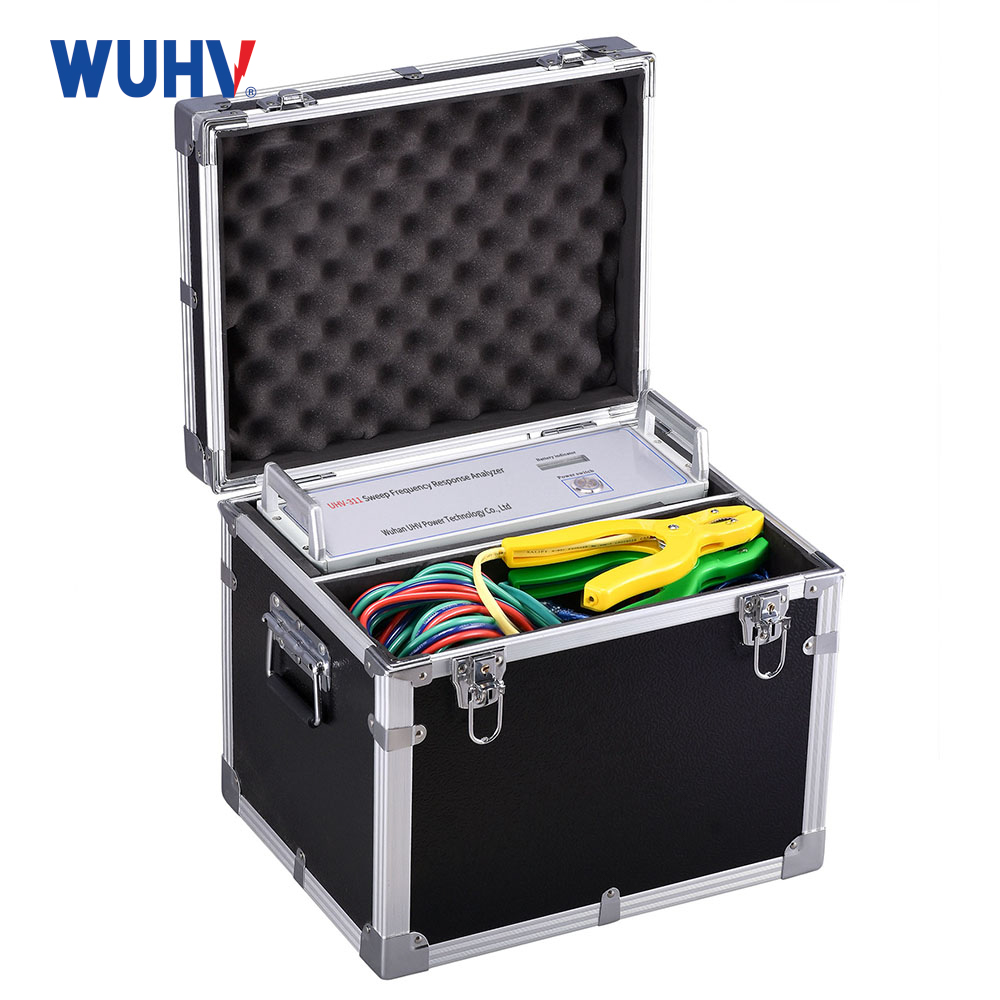


Өнімге кіріспе
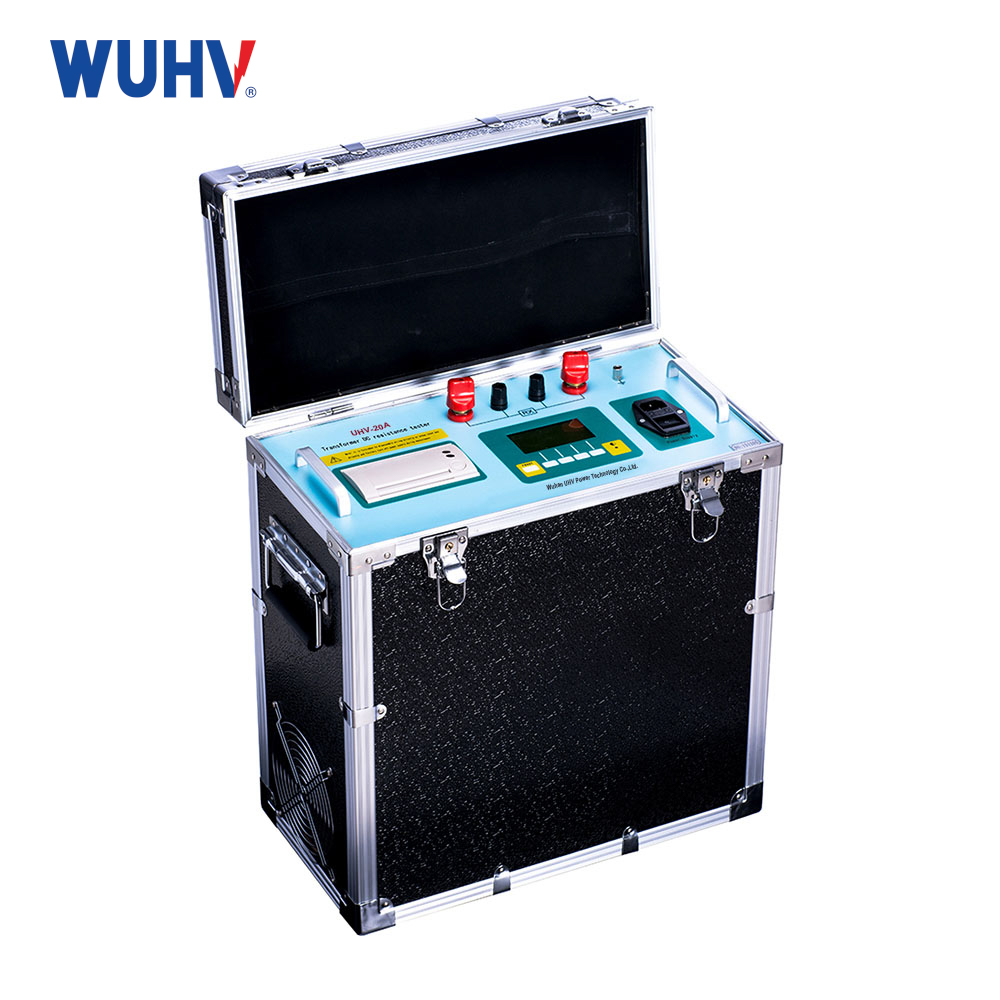
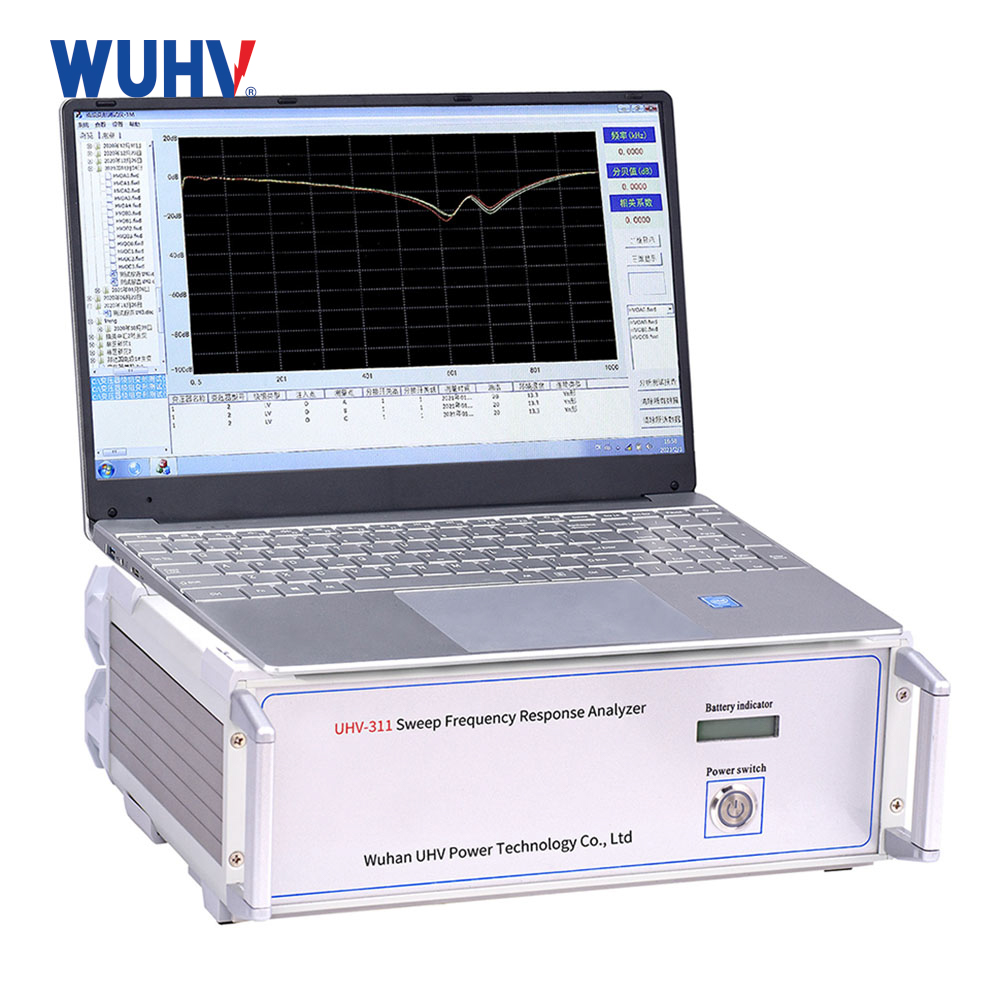
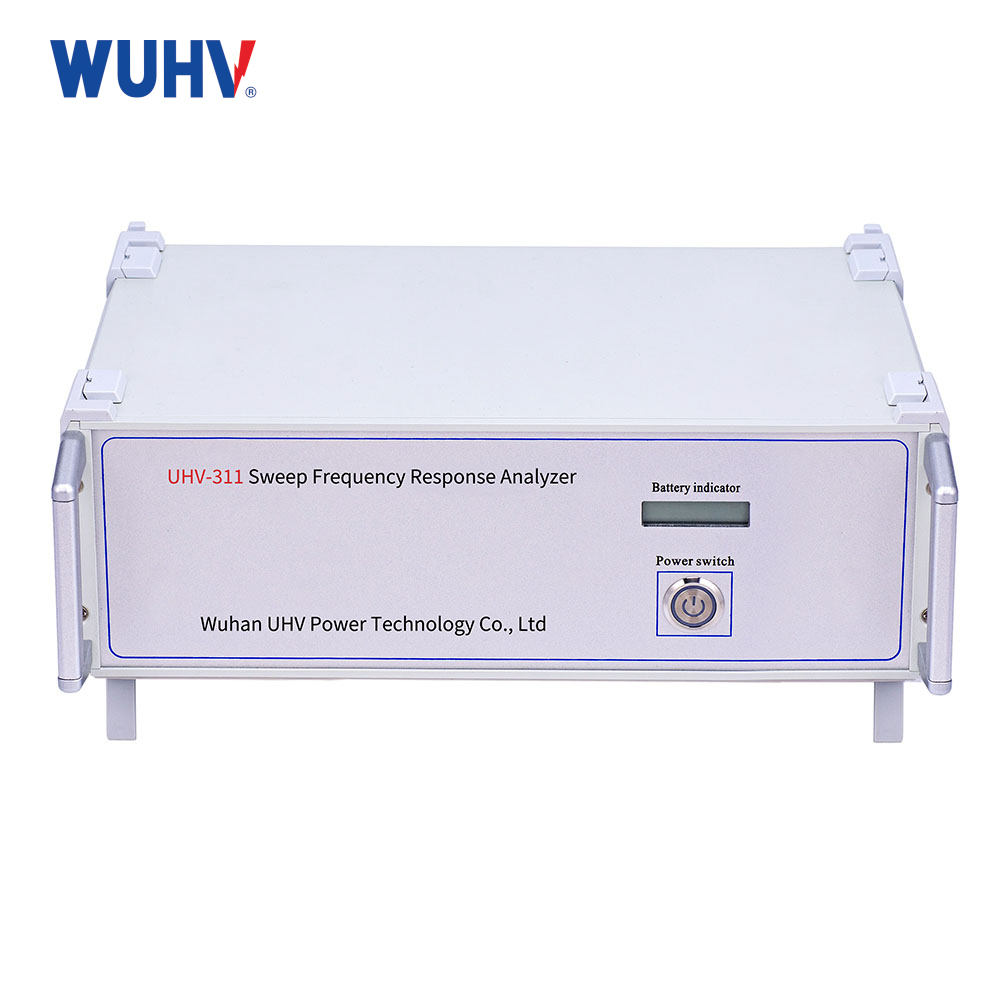
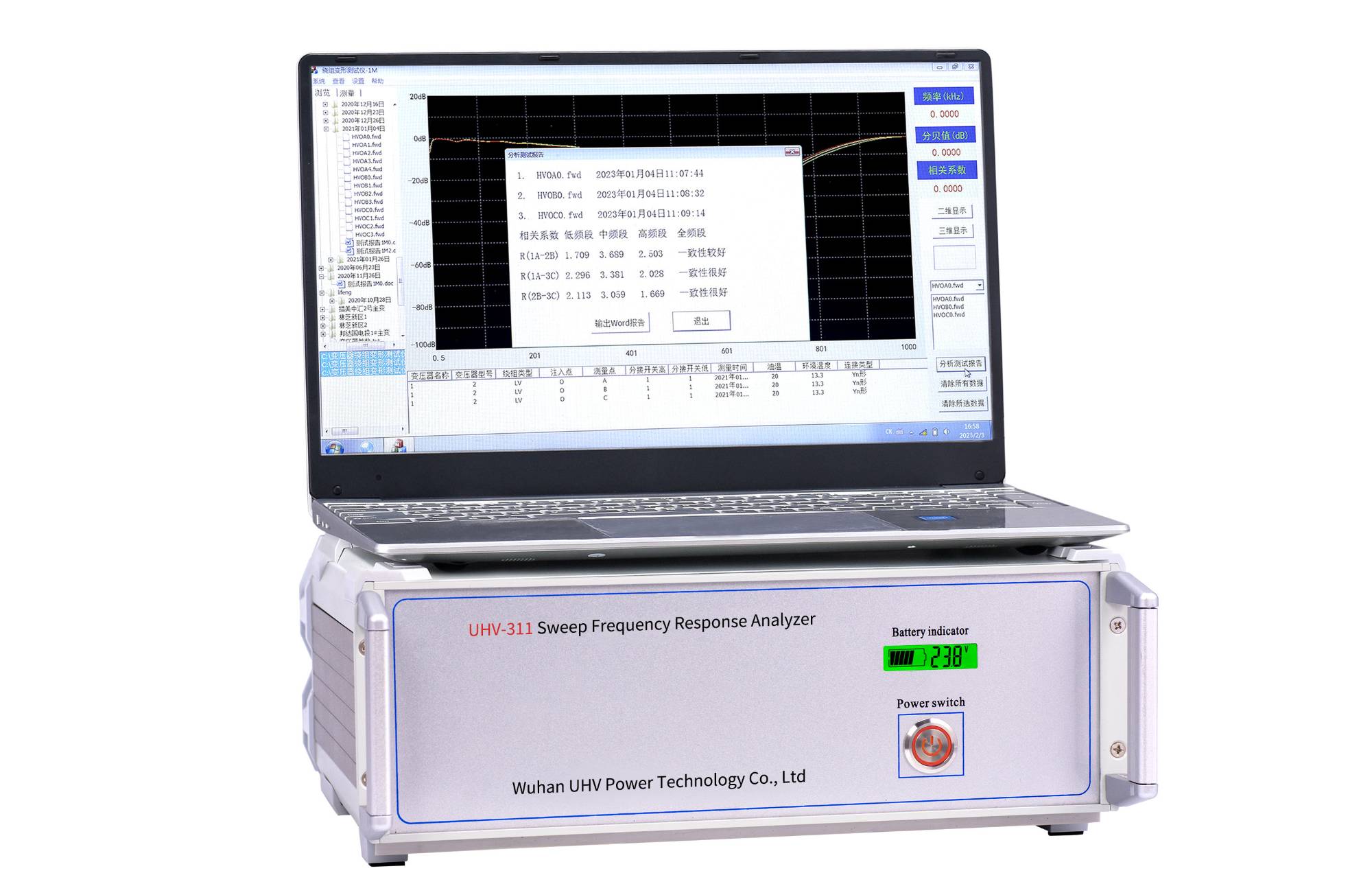
The transformer winding deformation tester is based on the measurement of the characteristic parameters of the internal winding of the transformer, and uses the internal fault frequency response analysis (FRA) method currently being developed in developed countries to accurately determine the internal faults of the transformer.
Өнім ерекшеліктері
1. Advanced DDS Core Technology
Арнайы сандық жоғары жылдамдықты сканерлеу (DDS) мыналарды анықтайды:
Механикалық деформациялар (бұрмалану/бұдырлану/ығысу/еңкейу)
Электр ақаулары (орамаралық қысқа тұйықталу, фазааралық байланыс ақаулары)
2. High-Fidelity Acquisition System
MIL-спецификациялық компоненттері бар SoC басқарылатын архитектура
Қос арналы 16-биттік A/D дискретизациясы (≥99,5% қайталанымдылық)
Өрісті тексеру: кран ауыстырғыш операциялары толқын пішінінің айтарлықтай ауытқуларын тудырады
3. Dual-Sweep Measurement Modes
Отандық техникалық стандарттармен үйлесімді сызықтық + сегменттелген жиілік талдауы
4. Non-Invasive Testing Protocol
Тек шиналарды ажыратуды қажет етеді; трансформаторды бөлшектеу мүмкіндігін жояды
5. Ergonomic Field Operation
Өлшеуге сезімтал емес сымды конфигурация; техниктер резервуардың үстінде қауіпсіз жұмыс істейді
6. Standards-Compliant Output
Ұлттық амплитуда-жиілік сипаттамаларына сәйкес келеді (GB/T 1094.18)
Пайдаланушы таңдай алатын осьті масштабтау: Сызықтық немесе логарифмдік графиктер
7. Intelligent Signal Control
Бейімделгіш дискретизация жиілігі бар бағдарламалық жасақтамамен автоматты түрде реттелетін ±10 В шығысы
8. High-Resolution Scanning
Конфигурацияланатын ажыратымдылығы бар 0-1 МГц сызықтық свайптар (0,25/0,5/1 кГц қадамдар)
9. AI-Driven Diagnostics
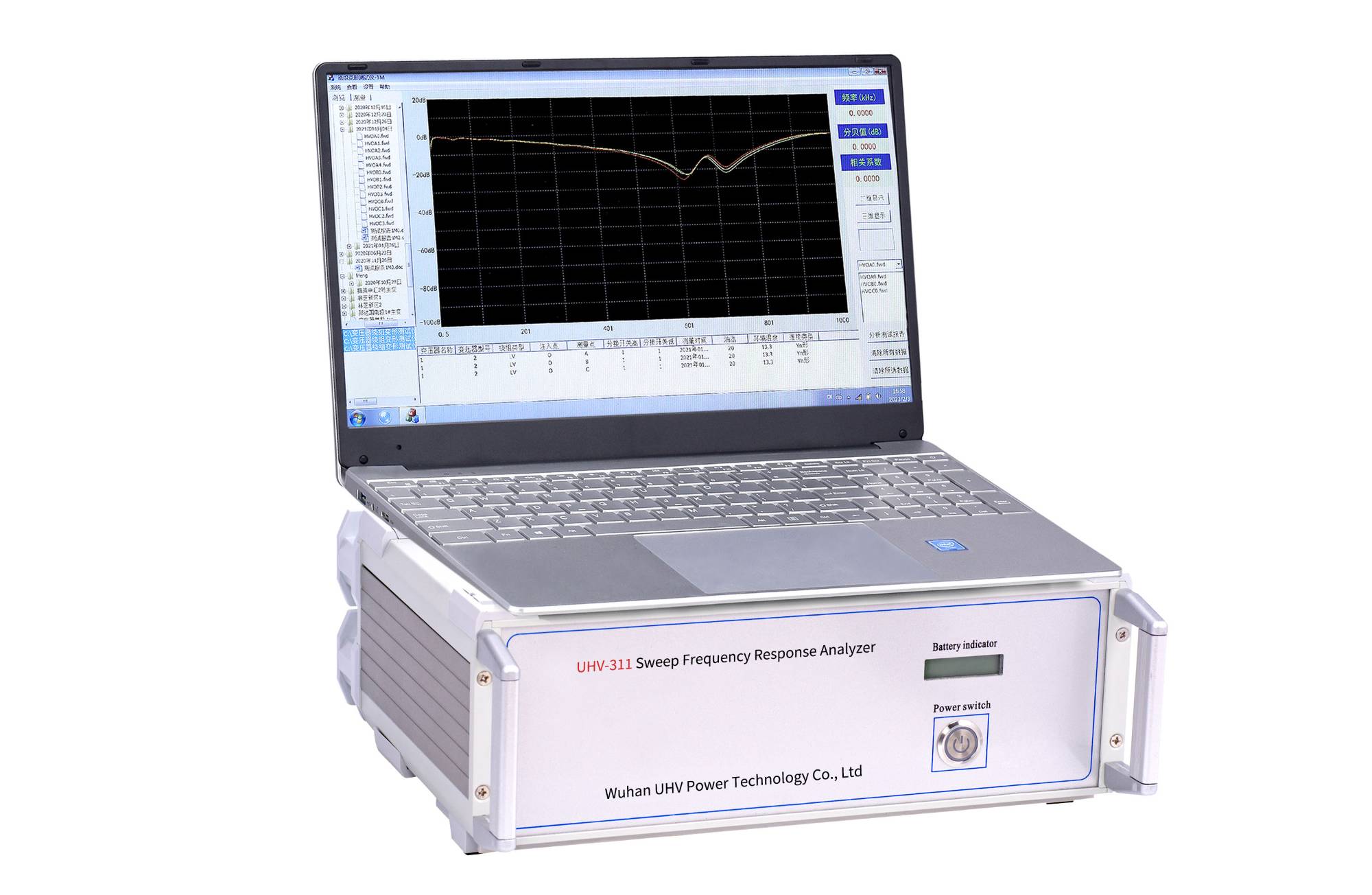
Оське тән талдаумен 6 қисық тарихи салыстыру
Автоматтандырылған параметрлерді есептеу және ораманың деформациясын диагностикалау
Сараптамалық диагностикалық қорытындылар
10. Automated Reporting Suite
Қоршаған орта параметрлерін тіркеу
Өлшеу деректерін мұрағаттау
Түрлі-түсті басып шығару арқылы Word/PDF есептерін жасау
|  |
Техникалық параметрлер
| Linear frequency sweep measurement range | (1 кГц)~(1 МГц) |
| Segmented sweep frequency measurement range | (0,5 кГц)~(1 кГц) |
| (0,5 кГц)~(10 кГц) | |
| (10 кГц)~(100 кГц) | |
| (100 кГц)~(500 кГц) | |
| (500 кГц)~(1000 кГц) | |
| Амплитуда диапазоны | (-100 дБ)~(+20 дБ) |
| Амплитуда өлшеу дәлдігі | +20дБ~-60дБ;±1дБ |
| -60дБ~-100дБ;±2дБ | |
| Sweep дәлдігі | 0.01% |
| Сигналдың кіріс кедергісі | 1МΩ |
| Сигналдың шығыс кедергісі | 50 Ом |
| Фазалық сынақтың қайталану жиілігі | 99.5% |
| Өлшемдері | 300×340×120 мм3 |
| Dimensions of Aluminum Alloy Packaging Box | 310×400×330 мм3 |
| Салмағы | 10 кг |
Technical Features
1. High precision measurement and analysis capability: The transformer winding deformation test instrument manufactures adopts excellent digital signal processing technology to ensure good signal-to-noise ratio for signal generation and acquisition over a wide frequency range. Its measurement results have good repeatability, providing reliable basis for vertical (compared with its own historical data) and horizontal (between three phases) comparisons. Equipment usually has two analysis modes, amplitude frequency response and phase frequency response, which can reflect the condition of the winding from different dimensions, making diagnostic information more comprehensive.
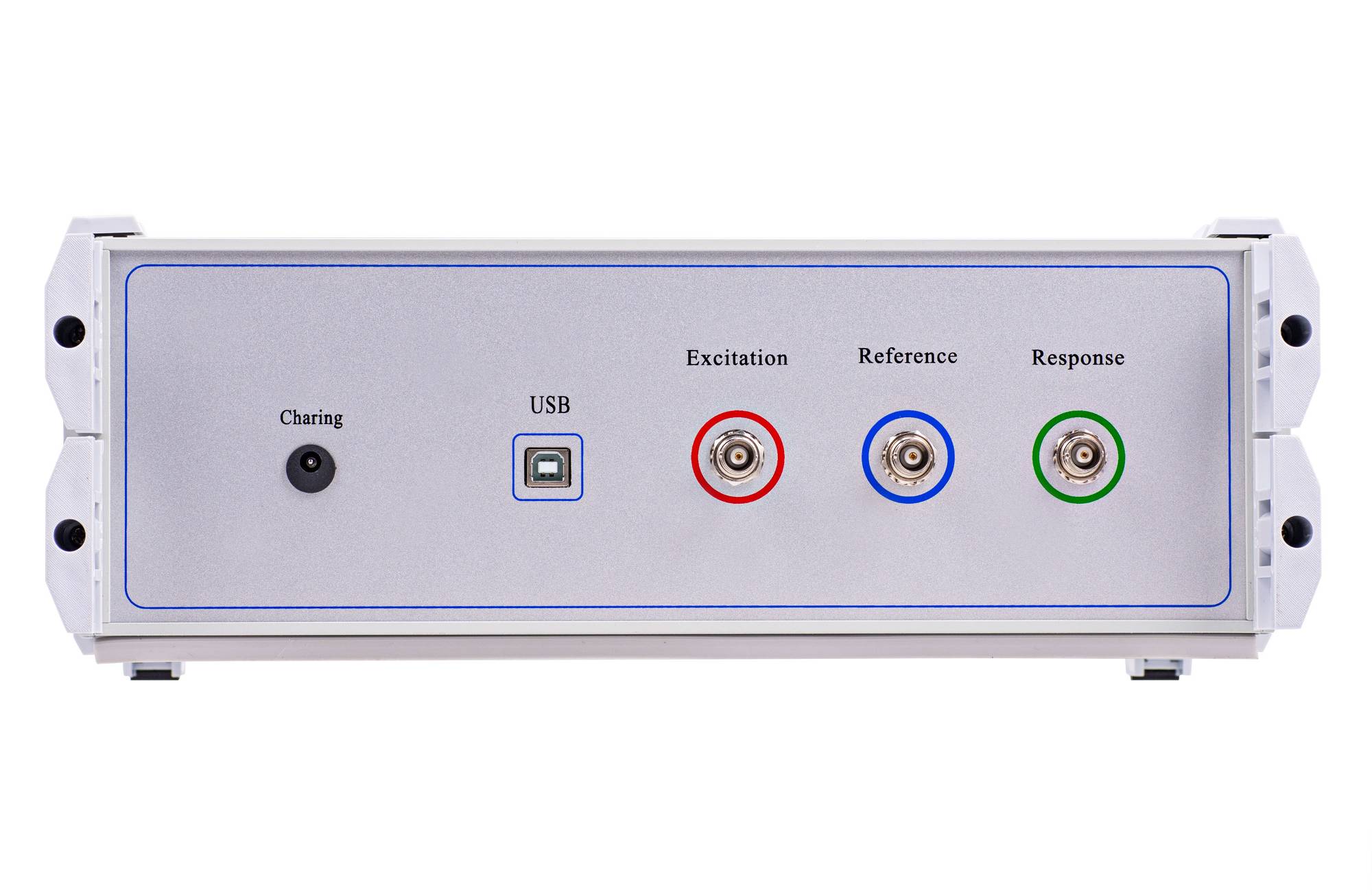
2. Humanized operation and data processing: Considering the usage habits of on-site engineers, this winding deformation tester strives for a simple operation process. The testing wiring is clear and specific, and the accompanying specialized testing cables and fixtures effectively reduce contact resistance and external interference. The sweep frequency response analyzer supplier has a built-in large capacity storage space, which can store a large amount of test data and curves. The supporting upper computer analysis software has clear functions and can perform various comparative analyses on test curves (such as correlation coefficient calculation, vector difference judgment, etc.), and generate standardized test reports, greatly simplifying later data analysis and archiving work.
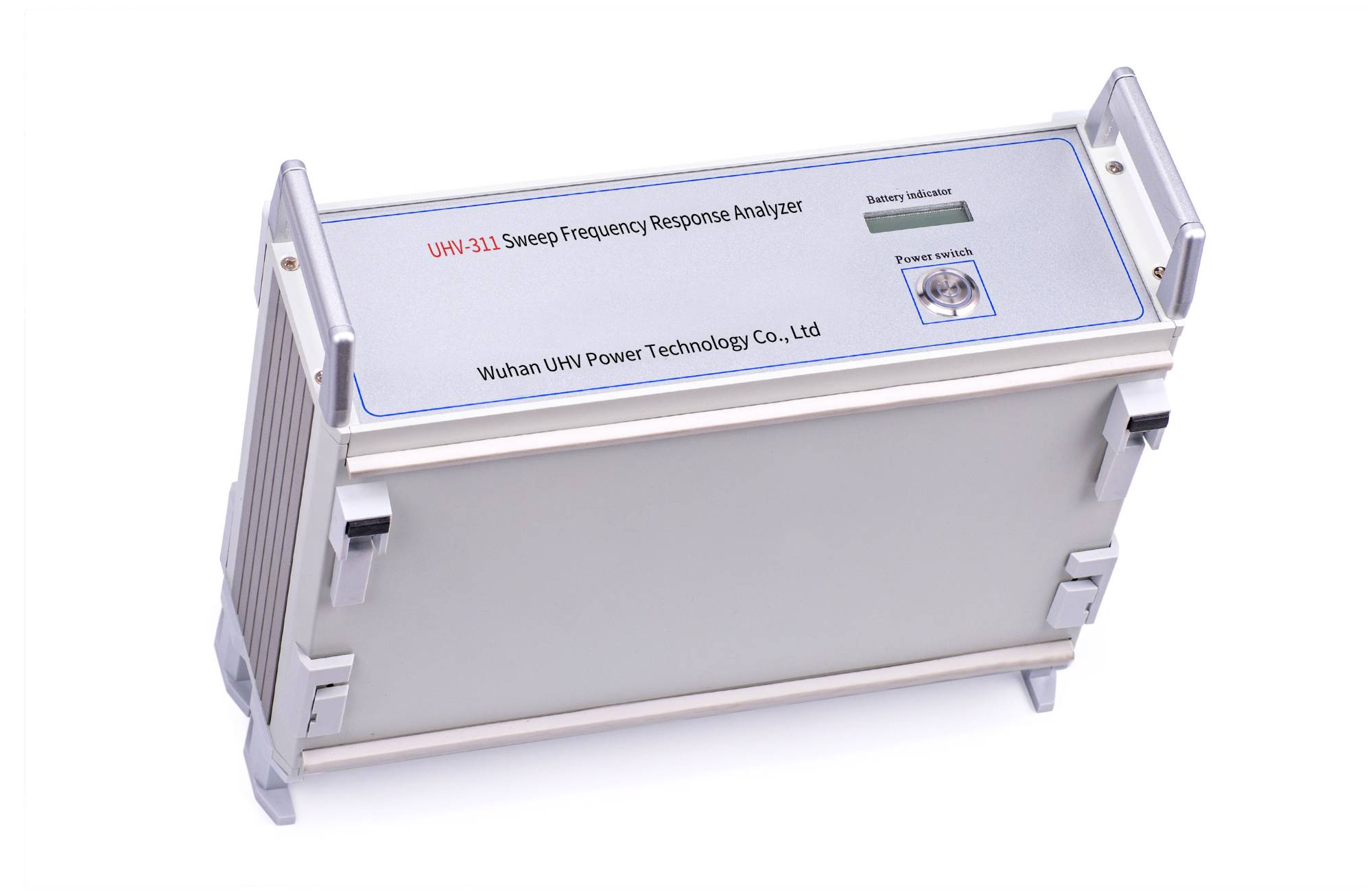
3. Stable performance and on-site applicability: The transformer winding deformation analyzer factory is designed with full consideration of the complex electromagnetic interference environment on site, and has strong anti-interference ability. Its structure is sturdy, easy to carry, and suitable for use in on-site environments such as substations. The built-in high-performance lithium battery ensures the endurance requirements for long-term field operations, while supporting DC power supply, with good adaptability.
 |  |
Advantage
1. Non destructive testing to avoid secondary damage
2. High sensitivity, capturing small deformations
3. Quick and convenient, suitable for on-site use
4. Data traceability, supporting long-term tracking and analysis
5. Strong anti-interference ability and adaptability to complex environments
6. Economically, reduce operation and maintenance costs
7. Safe, low testing voltage, no risk of electric shock to operators
Application Scenarios
Factory acceptance and installation debugging: As a benchmark test for transformers before leaving the factory or being newly installed and put into operation, establish a "fingerprint" map.
Post accident state diagnosis: After the transformer is subjected to near-field short-circuit impact, timely testing is carried out to determine whether its internal structure is damaged, providing key basis for deciding whether to immediately shut down and carry out maintenance.
Post transportation inspection and regular maintenance: Testing is conducted on transformers after long-distance transportation or in conjunction with regular power outage maintenance to track the stability of their winding status and achieve condition based maintenance.
Frequently Asked Questions
1. Does the tester need to be preheated? Why are the curves measured in the morning and afternoon different?
need The high-frequency oscillator inside the instrument has frequency drift due to temperature effects. It is recommended to preheat for 15-30 minutes after turning on the machine before starting the test. In addition, drastic changes in environmental temperature (such as large temperature differences between morning and evening) can alter the dielectric constant of transformer oil, leading to weak drift in the high-frequency range. This is a normal physical phenomenon, not winding deformation.
2. Do the leads (busbars) on the transformer bushing need to be removed during testing?
Strongly recommend dismantling. Undismantled overhead lines or enclosed busbars can introduce additional ground capacitance and inductance, altering the high-frequency resonance curve and leading to distorted test results, making it easy to misjudge.
If it is impossible to disconnect the wires on site (such as GIS enclosed busbar), the test results must be marked as "with busbar status" and can only be compared vertically with historical data of the same "with busbar status", and cannot be compared horizontally with factory "bare transformer" data.
3. How to determine if the winding is deformed?
Determine through horizontal comparison (consistency of frequency response curves of three-phase windings) or vertical comparison (differences between current data and historical spectra). Winding deformation can cause changes in the frequency response curve, such as resonance frequency offset and abnormal amplitude attenuation. The degree of deformation can usually be divided into: normal winding, mild deformation, obvious deformation, and severe deformation.