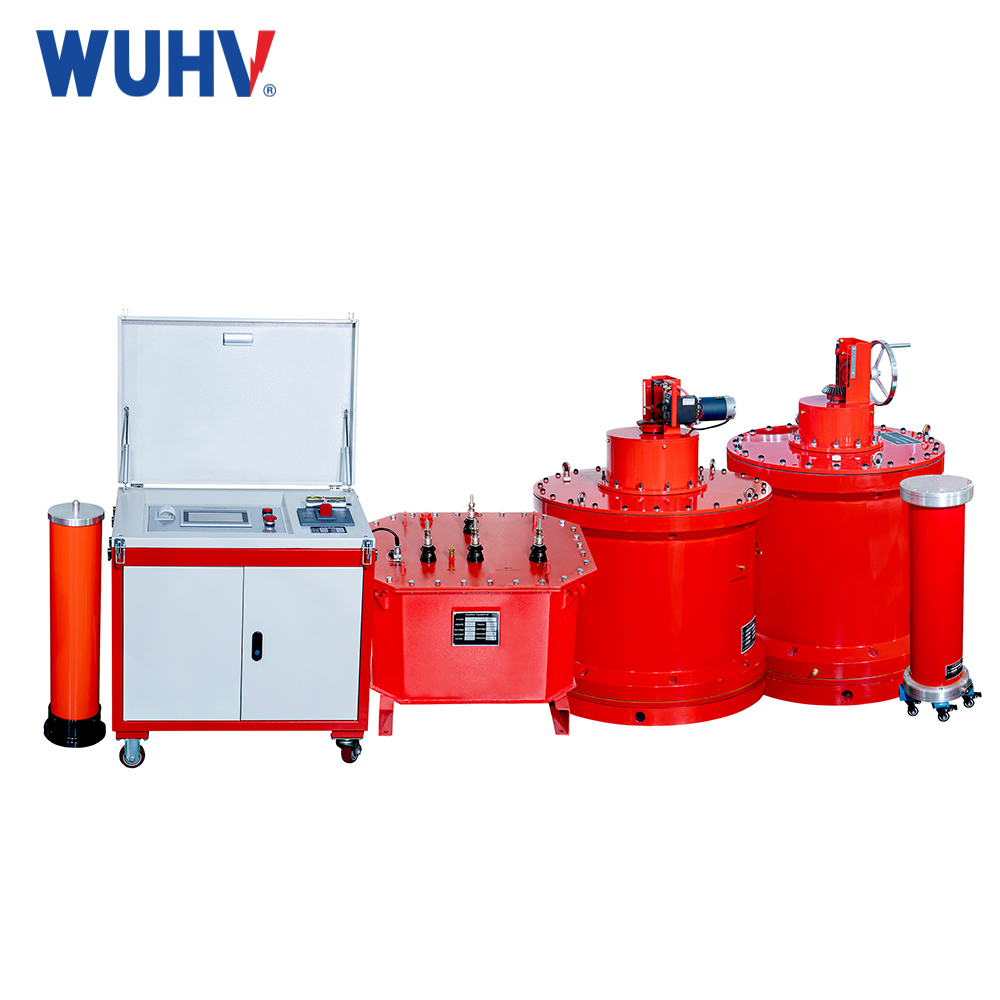
In the world of electrical equipment, insulation is like a layer of "protective clothing" worn on precision parts, which can effectively prevent dangerous situations such as leakage and short circuits from occurring. And the insulation resistance measuring instrument is the "quality inspector" who checks whether the "insulation coat" is intact. What exactly is it? Why is it so important? Don't worry, let's uncover them one by one!
What is insulation resistance? Why test?
Simply put, insulation resistance refers to the degree to which current is difficult to pass between two conductors. In layman's terms, it means that the insulation material is too "insulating" and unwilling to let the current "slip away". The higher this value, the better the insulation performance, and the safer and more reliable the equipment.
Why test? This is a big problem!
Safety first: Good insulation is fundamental in preventing accidents such as electric shock and fire.
Equipment lifespan: Insulation aging or damage can accelerate equipment wear and shorten its service life.
Stable operation: Poor quality insulation may lead to increased energy loss, affecting the normal operation of the equipment, and even causing shutdown.
So, regularly using an insulation resistance tester for testing is like giving our body a physical examination to detect problems in a timely manner and prevent them before they happen.
What are the "stumbling blocks" that affect insulation resistance?
Many factors can quietly affect the "health index" of insulation resistance, understanding them is necessary to make more accurate judgments:
Humidity: In humid environments, water molecules will adsorb onto insulating surfaces, reducing resistance.
Temperature: High temperature usually leads to a decrease in the performance of insulation materials and a decrease in resistance value.
Dust and dirt: Accumulated dust and oil stains, especially conductive dirt, can form conductive pathways.
Aging of insulation materials: Over time, insulation materials undergo physical or chemical changes, leading to performance degradation.
Test voltage: Different test voltages may provide different measurement results, which need to be selected according to standards.
What 'tools' can help you?
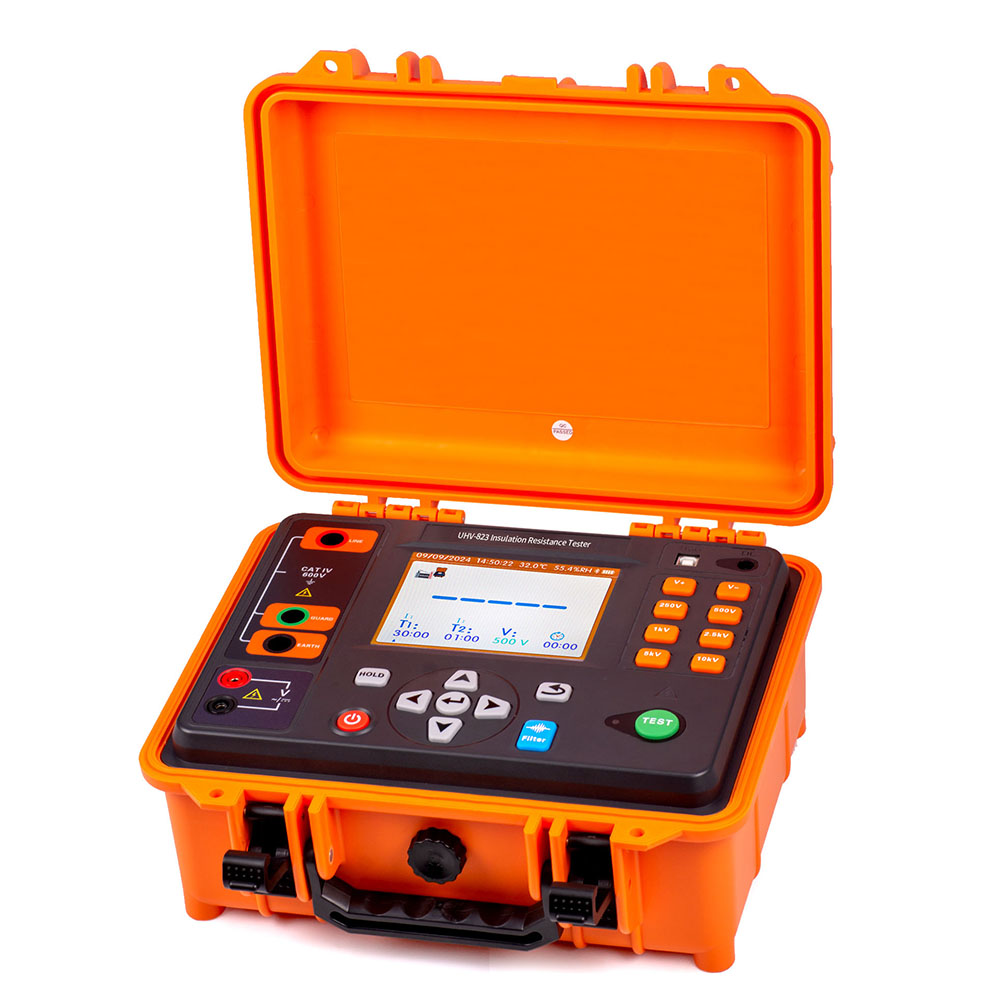
When it comes to measuring insulation resistance, professional tools are indispensable. There are many excellent rocking meters and megohmmeters on the market, which can generate stable DC high voltage and accurately measure extremely low current, thereby calculating insulation resistance.
For example, Wuhan UHV Power Technology Co., Ltd. provides a variety of high-performance insulation resistance measurement equipment that can meet testing needs in different scenarios. They are easy to operate and have precise measurements, making them indispensable detection tools in fields such as power, communication, and industry.
How to 'measure' better and more accurately?
To measure accurately, there are a few tips:
Clean environment: Before measurement, ensure that the surface of the tested equipment is clean and free of dust and oil stains.
Stable environment: Try to measure in an environment with minimal temperature and humidity changes.
Correct wiring: Connect the test wire correctly according to the instrument manual to ensure good contact.
Repeated measurement: To improve accuracy, several repeated measurements can be taken and the average value taken.
Reference standards: Understand and refer to relevant national or industry standards to evaluate the measurement results.
By mastering these, you can confidently conduct electrical safety inspections to ensure that the "insulation clothing" of the equipment always fits and is secure! Wuhan UHV Power Technology Co., Ltd. has been committed to providing professional power measuring instruments and high-voltage testing equipment to help users better ensure equipment safety and operation.
Frequently Asked Questions (FAQ)
Q1: Why is insulation resistance measured with DC high voltage? A1: DC high voltage measurement can effectively eliminate the influence of capacitor current and more accurately reflect the true state of insulation.
Q2: My device has a very low insulation resistance reading, is it necessarily broken? A2: Not necessarily. Low readings may be related to environmental factors such as humidity, and need to be judged based on specific circumstances and historical data.
Q3: What is the appropriate testing voltage for insulation resistance measuring instruments? A3: The selection of test voltage needs to be determined based on the rated voltage of the tested equipment, usually with a standard reference table.
Why do insulation resistance measuring instruments from different manufacturers or models have slightly different readings? A4: This may be related to the accuracy, design principles, and internal calibration of the instrument, but products from reputable manufacturers are within the allowable error range.
Q5: Apart from insulation resistance, what other methods can be used to evaluate insulation performance? A5: Insulation performance can also be comprehensively evaluated through methods such as dielectric loss testing and partial discharge detection.