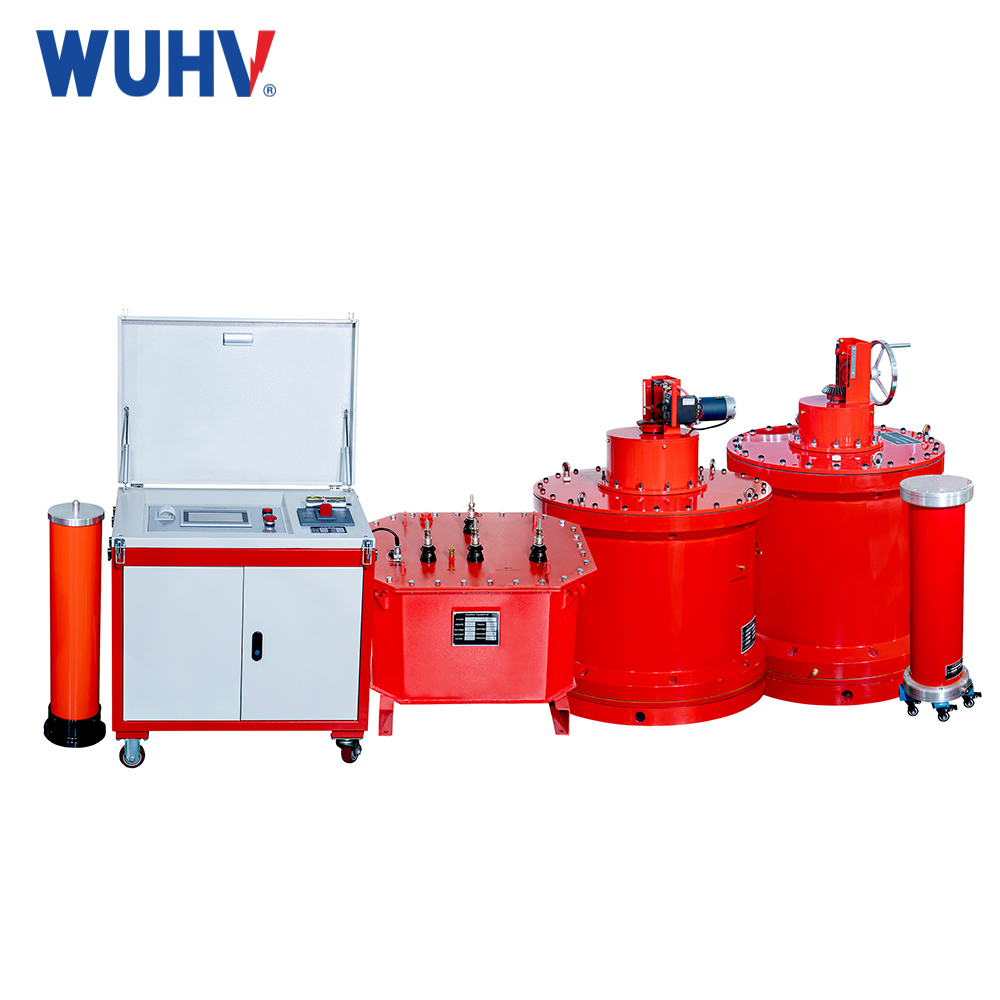
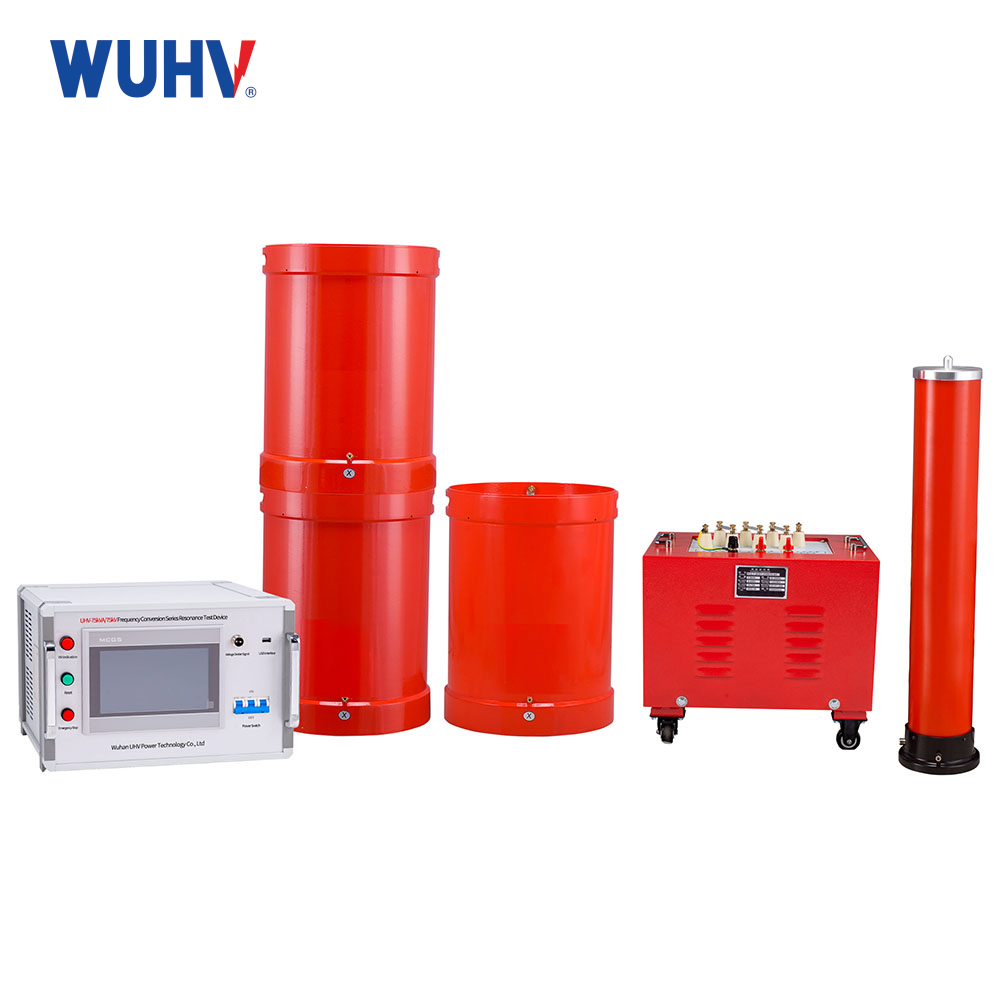
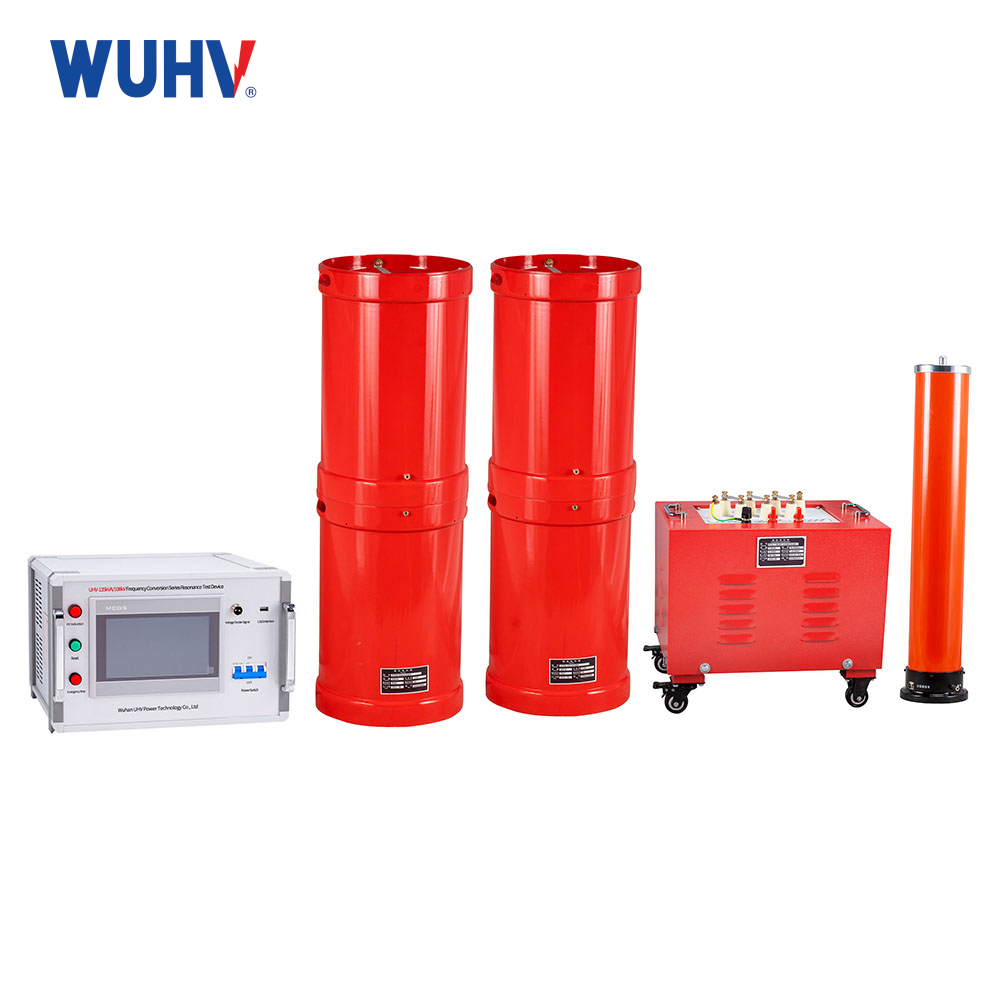
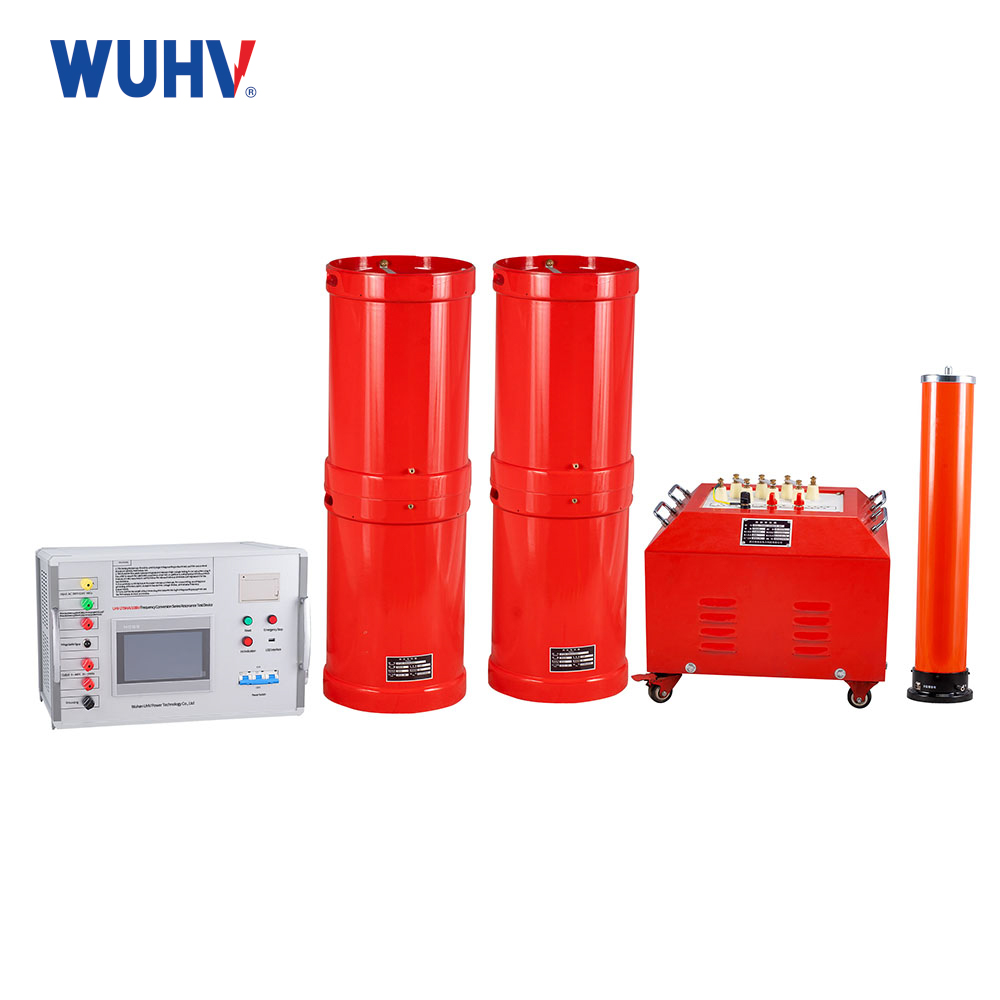
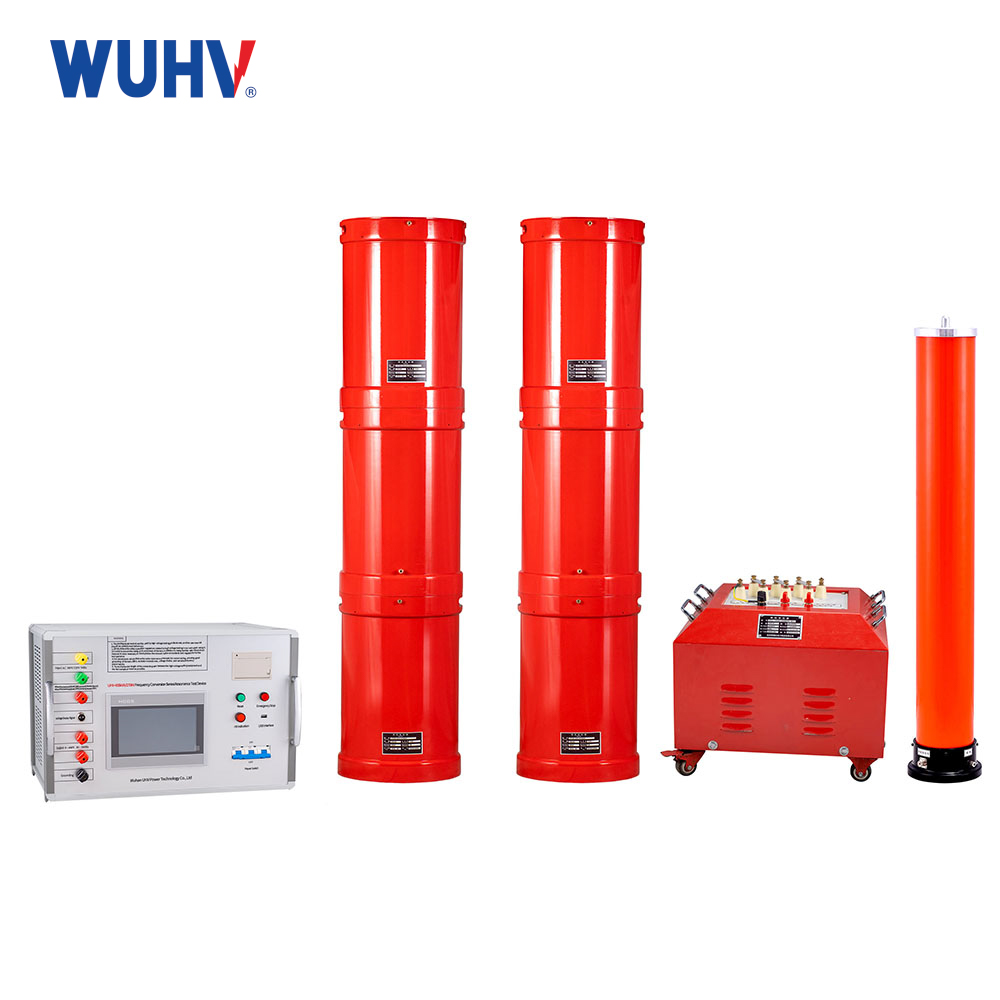
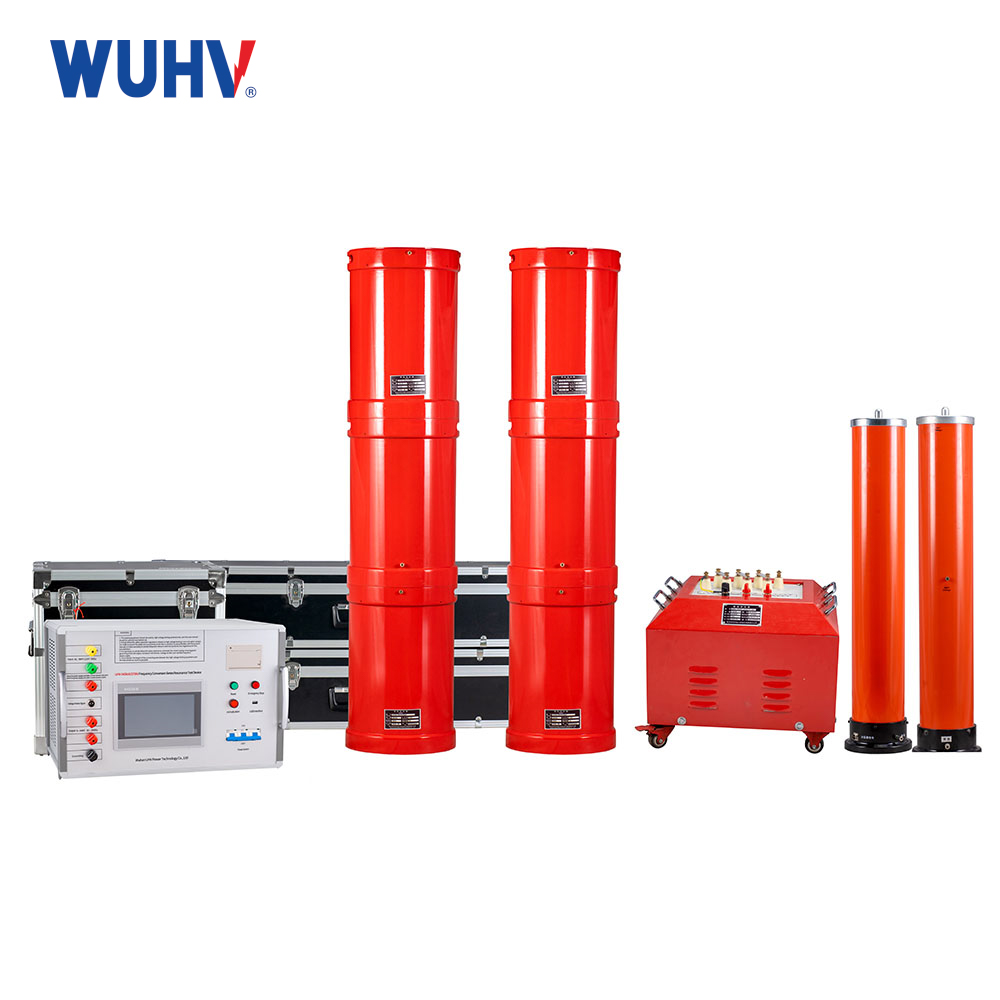
UHV(L) қуат жиілігінің тізбекті резонанстық жүйесі
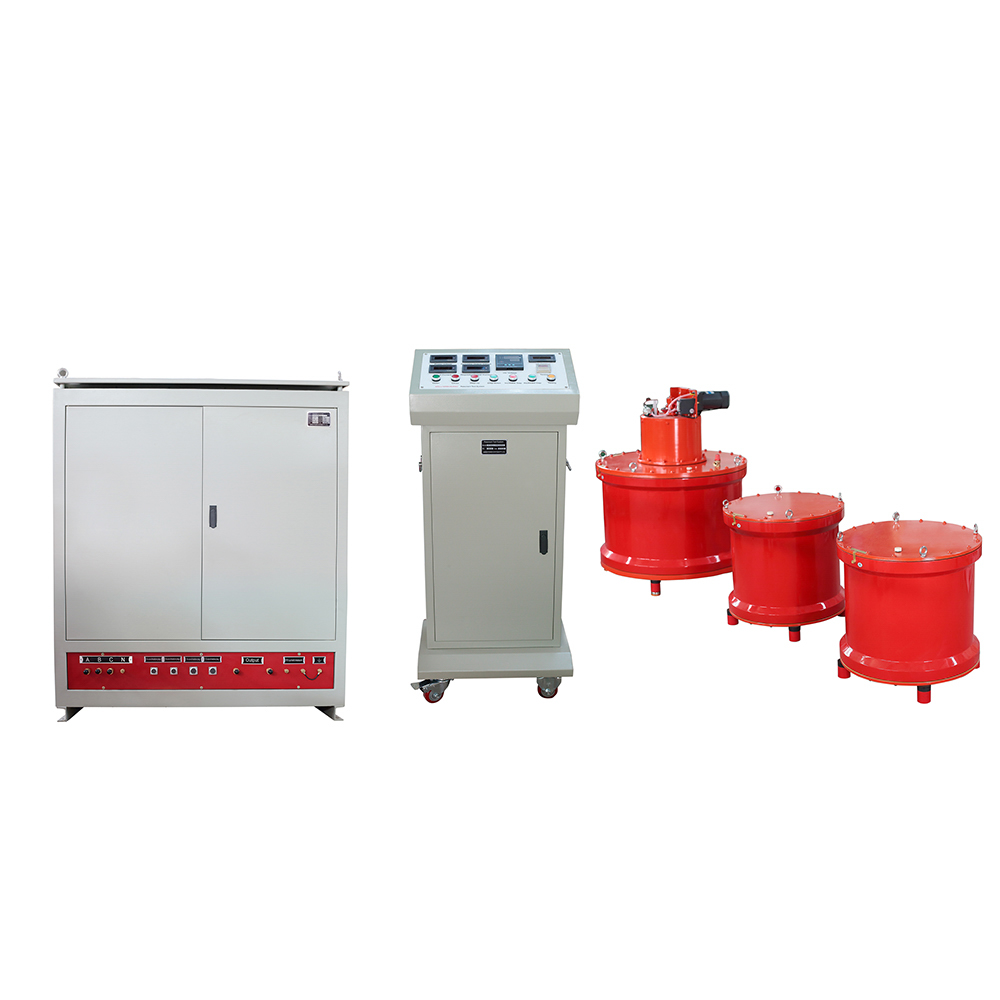
UHV(L) қуат жиілігі сериялы резонанстық сынақ жүйесі қуаты 250 МВт немесе одан аз жеке гидрогенераторларда айнымалы токқа төзімділік сынақтарына арналған. Бұл жүйе барлық қолданыстағы айнымалы токқа төзімді кернеу құрылғыларына қарағанда бұрмалану жылдамдығымен (THD) жоғары шығыс кернеуінің толқын формасын береді, бұл жарқылдың немесе істен шығудың алдын алады және жарқылдан кейін доғаларды автоматты түрде сөндіреді. Қуат жиілігіне төзімді кернеуді өлшегіштің негізгі блогы үлкен шығыс қуатына ие, сонымен бірге тек шағын қуат көзін қажет етеді.
UHV(L) қуат жиілігінің тізбекті резонанстық сынақ жүйесі тізбекті резонанс принципі бойынша жұмыс істейді, мұнда реакторлардың индуктивті кедергісі сынақ нысанының (мысалы, генератор орамаларының) сыйымдылық кедергісіне сәйкес келетіндей етіп реттеледі, бұл қуат жиілігінде резонанс тудырады. Бұл жүйеге минималды кіріс тогын пайдалана отырып, жоғары шығыс сынақ кернеулерін жасауға мүмкіндік береді, бұл оны жоғары тиімді етеді.
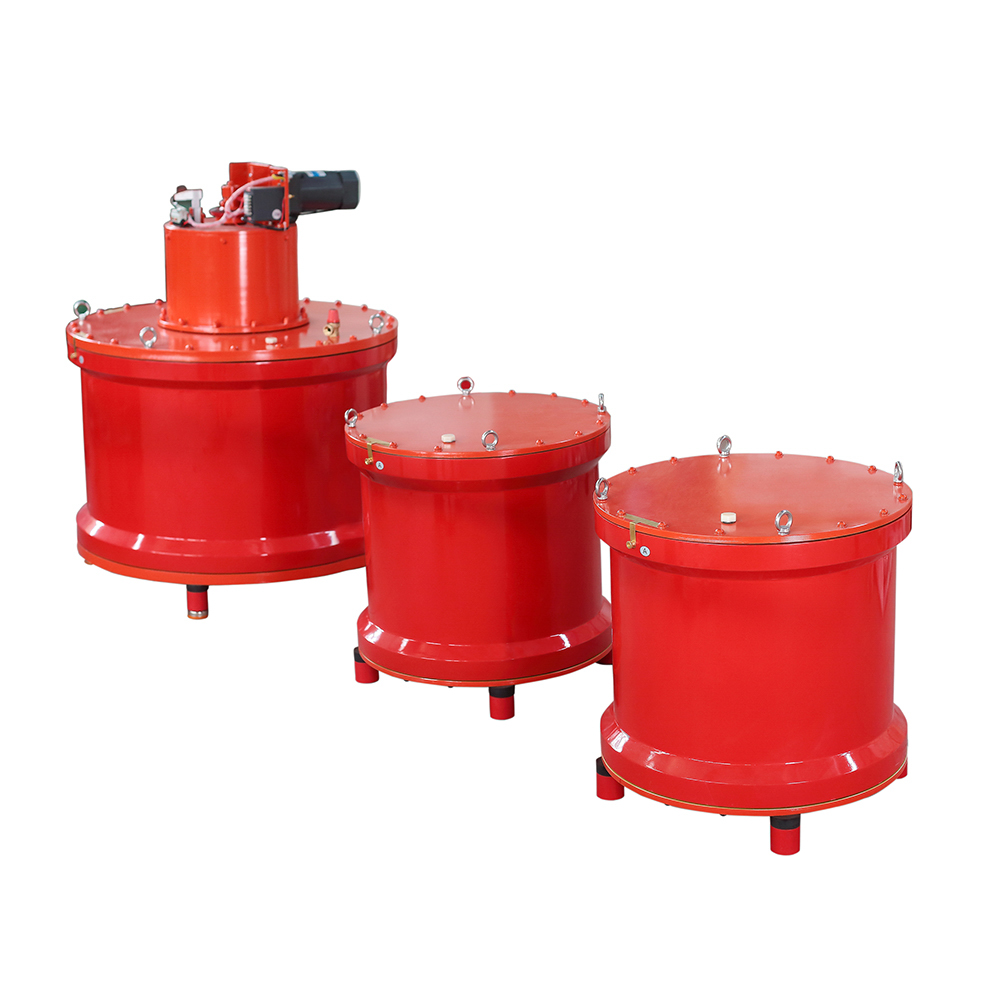
Негізгі артықшылықтарға мыналар жатады:
Резонансқа байланысты жоғары тиімділік және төмен кіріс қуаты;
Төмен бұрмаланумен (THD) жоғары шығыс толқын пішінінің сапасы;
Автоматты доға сөндіру және жарқылдан немесе сынудан қорғау;
Портативті және бейімделгіш дизайн, жергілікті жерде сынауға жарамды.
Power frequency resonance test equipment offers a reliable, energy-saving solution for high-voltage diagnostic testing in power generation and transmission applications.
Өнім параметрлері
Техникалық параметрлер
| Номиналды шығыс кернеуі | 0 ~ 60kV(AC RMS) and below |
| шығыс жиілігі | 50Гц |
| Resonance voltage waveform | Таза синус толқыны, толқын пішінінің бұрмалану жылдамдығы ≤1% |
| Жұмыс жүйесі | Full power conticontrol consolenuous working time of 1min |
| quality factor | 10~40 |
| Ең жоғары сынақ сыйымдылығы | 3000 кВА және одан төмен |
| Жұмыс істейтін қуат көзі | 380V±15%、Power frequency 50Hz |
Serial product configuration(Scope of application(Ac withstand voltage test for generator or motor with outlet voltage of 20kV or below, test frequency: 50Hz))
| Өнім үлгісі | control console | Voltage regulator | reactor(dry) | Excitation transformer(dry) | Кернеу бөлгіш | Қолдану аясы |
| UHV(L)- 200kVA/25kV | 30кВт | 30kVA(electric) | 200kVA/25kV Adjustable one | 30kVA dry | 30кВ | hydrodynamo.0.4~1.0μF.(10kV/40MW) |
| UHV(L)- 300kVA/50kV | 60кВт | 60kVA(electric) | 300kVA/50kV Adjustable one | 60kVA oil-immersed | 50кВ | Thermal generator.0.27~0.33μF.(20kV/300MW) |
| UHV(L)- 600kVA/50kV | 60кВт | 60kVA(electric) | 200kVA/50kV Adjustable one 400kVA/50kV Adjustable one | 60kVA oil-immersed | 50кВ | Thermal generator.0.113~0.45μF.(20kV/600MW) |
| UHV(L)- 1200kVA/50kV | 120 кВт | 120kVA(induction) | 200kVA/50kV Fixed two 800kVA/50kV Adjustable one | 120kVA oil-immersed | 50кВ | hydrodynamo.0.6~1.8μF.(20kV/250MW) |
| UHV(L)- 2750kVA/55kV | 300 кВт | 300kVA(induction) | 750kVA/55kV Fixed two 1250kVA/55kV Adjustable one | 120kVA oil-immersed | 60кВ | hydrodynamo.1.6~3.3μF.(20kV/770MW) |
Note: the solution can be customized according to the parameters of test objects
Capacitance of the power system commonly used hydrodynamo reference table
| hydrodynamo | Rated Capacity(WM) | rated voltage(kV) | Phase capacitor(μF) |
| 72.5~85 | 10.5 | 0.694 | |
| 125~150 | / | 1.8~1.9 | |
| 300 | 15.75 | 1.7~2.5 | |
| 400 | 18.0 | 2~2.5 | |
| 600 | / | 2.1~2.5 |
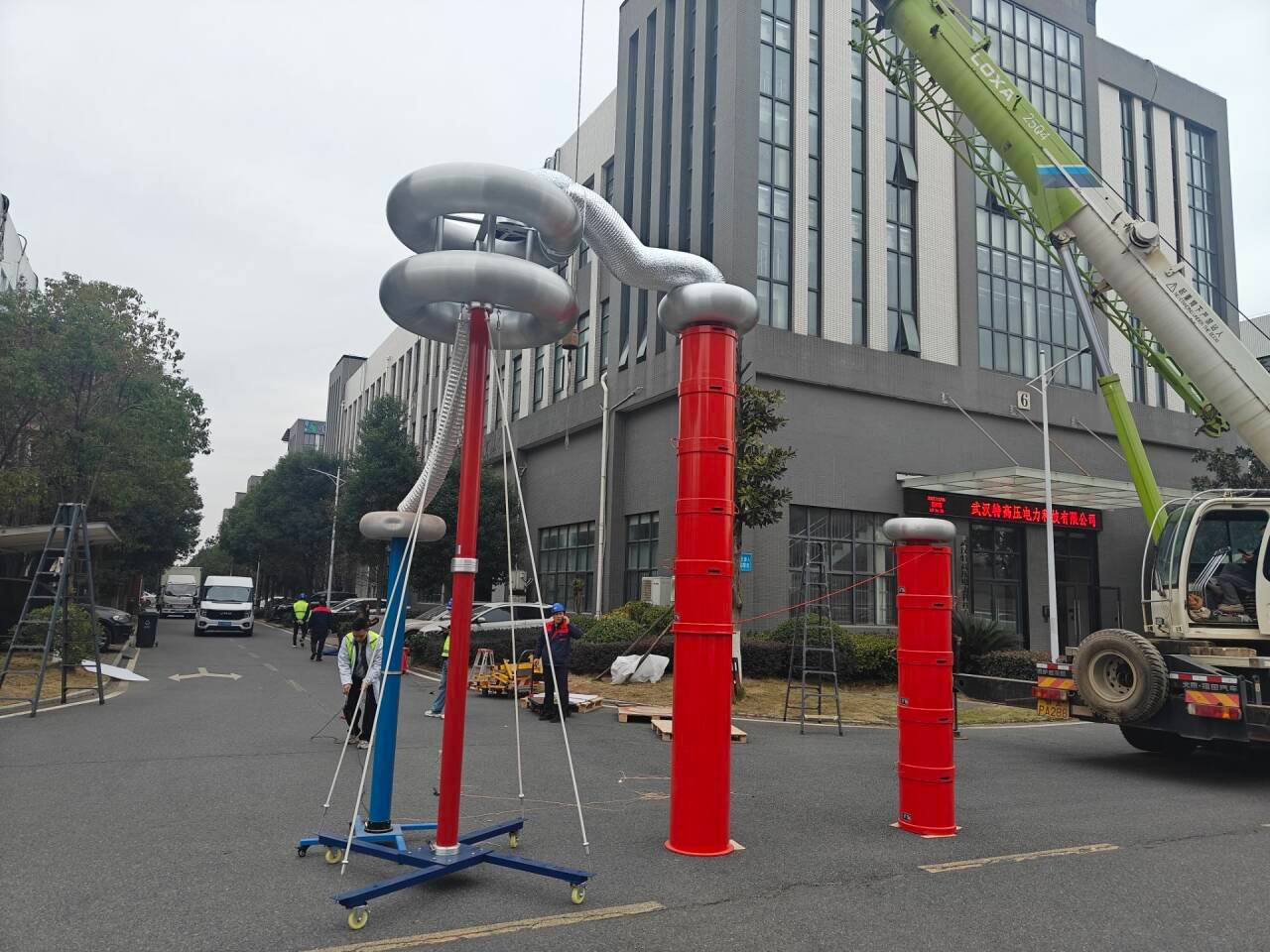 | 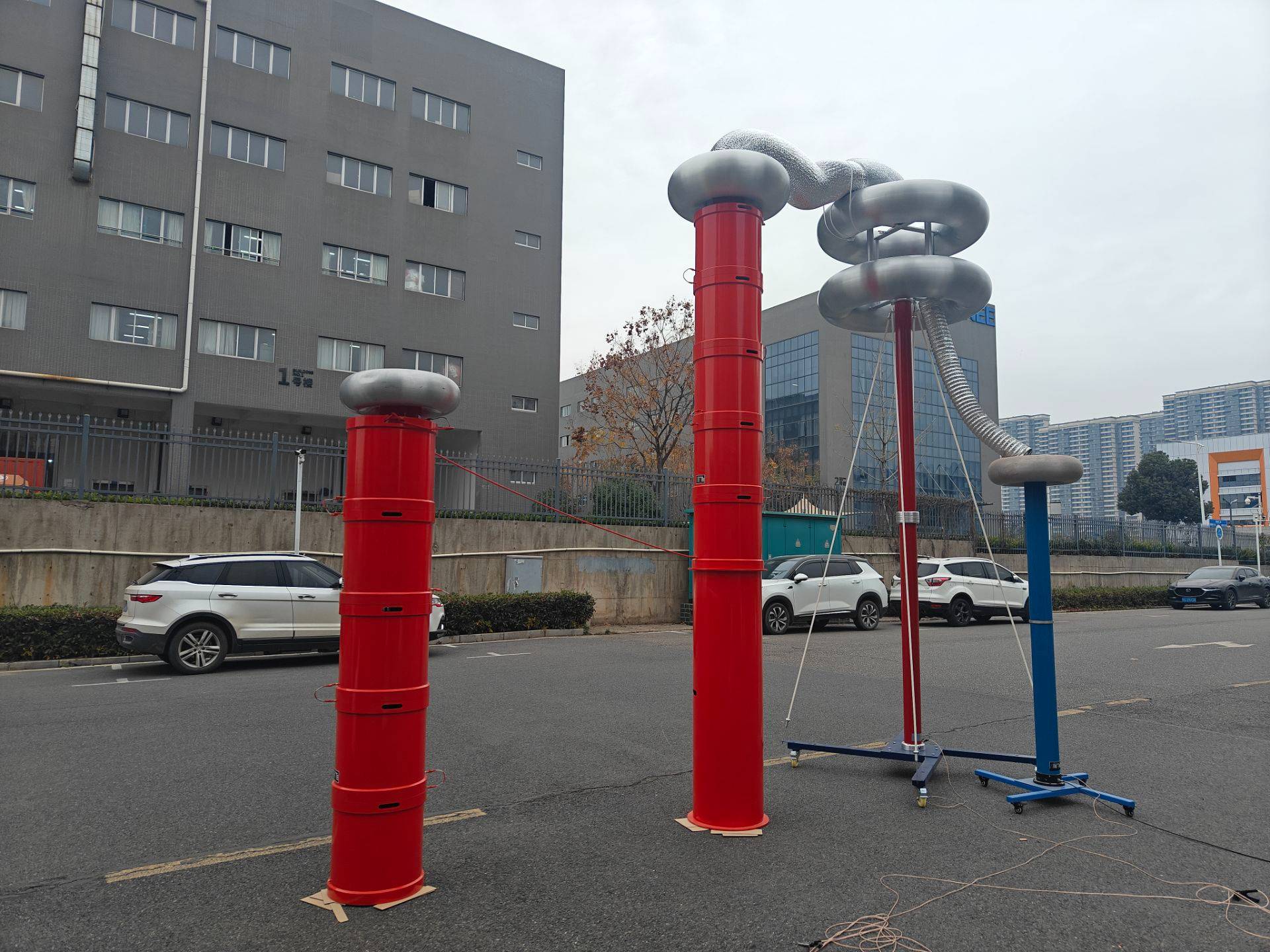 | 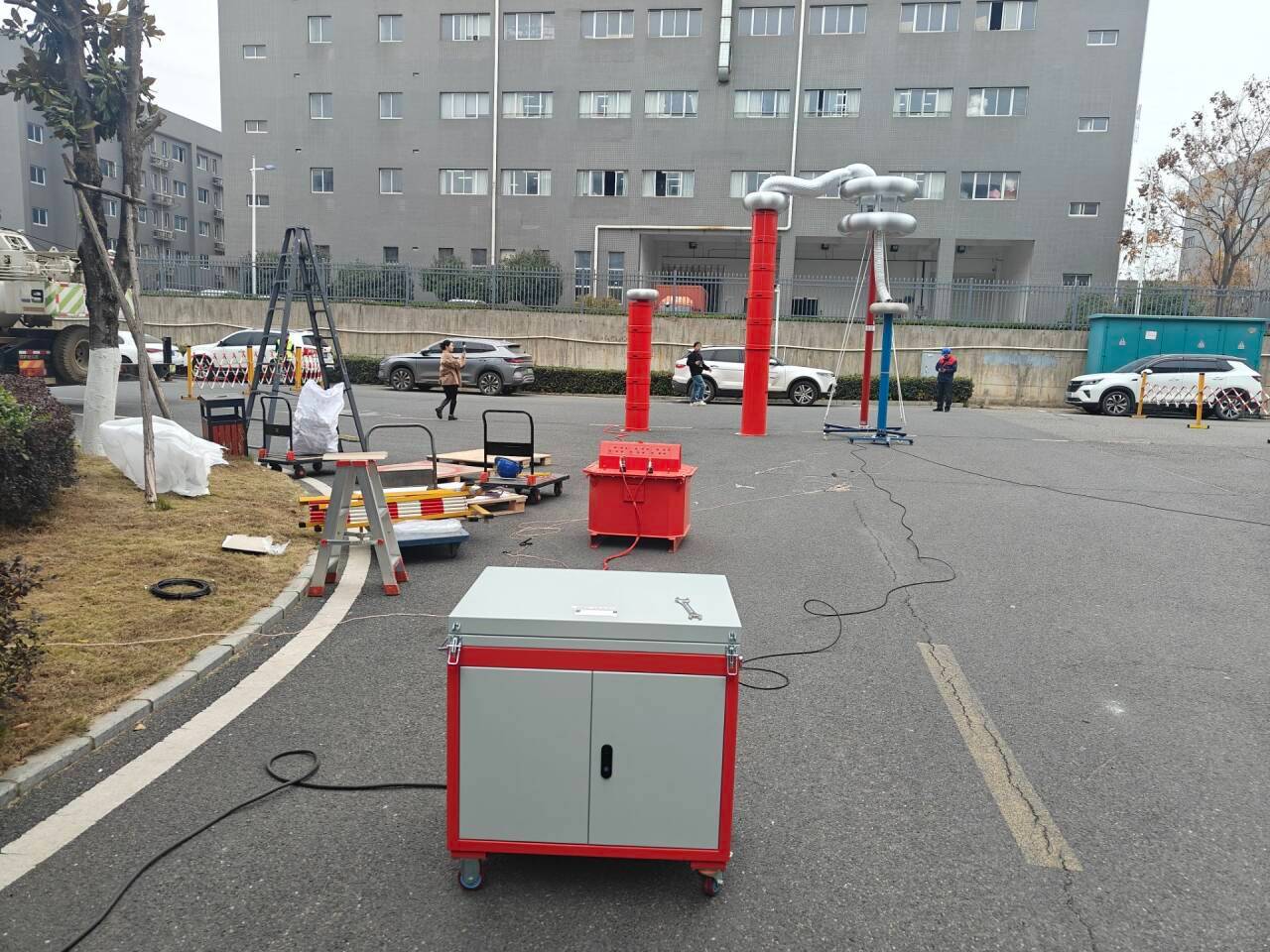 |
Compared to traditional power frequency test transformers, its advantages are extremely prominent:
Firstly, the power capacity requirement is low. When testing a 1km 110kV cable, only a 50kW power supply is needed to replace the traditional 2000kVA test transformer, greatly reducing the on-site power supply pressure;
Secondly, Power frequency resonance test system manufactures has strong portability, with lightweight design of core components and a single weight of ≤ 60kg. It is equipped with mobile rollers and specialized lifting structures, making it suitable for transportation and layout in complex environments such as substations and wind power sites;
Thirdly, Power frequency series resonance factory has a wide range of adaptability. By replacing the reactor module and excitation transformer, Power frequency resonance test device supplier can meet the testing needs of various equipment such as 6-500kV cables, 35-500kVGIS, and 10-500kV transformers;
Fourthly, Power frequency withstand voltage tester has low operating costs, low reactive power loss in resonance state, energy consumption only 1/30-1/100 of traditional equipment, and simple equipment maintenance, with a service life of over 15 years.
Typical application scenarios
AC voltage withstand test for hydroelectric generators: for units with a single capacity of 250MW or less, verify the insulation performance of the stator winding.
High voltage cable withstand voltage test: applicable to the handover and preventive testing of 6kV~500kV cross-linked polyethylene (XLPE) cables.
Transformer voltage withstand test: Conduct power frequency voltage withstand test on 6kV~500kV transformers to detect insulation defects.
GIS and SF6 switch test: Verify the insulation strength of gas insulated switchgear equipment.
Voltage withstand test of other capacitive equipment, such as busbars, bushings, transformers, and other high-voltage equipment.
FAQ about AC resonant test systems
1. What is the purpose of series resonance withstand voltage test?
Mainly used to detect the insulation performance of power equipment (such as cables, transformers, GIS, etc.) at specific voltages, discover potential insulation defects, and prevent breakdown during operation.
2. What are the advantages of series resonance test compared to traditional power frequency withstand voltage test?
The series resonance test set can achieve high test voltage at lower power supply capacity, with lower requirements for the capacitance of the tested object. The electric field generated during resonance is more uniform, and the "impact" on equipment insulation is relatively small.
3. What safety precautions should be taken when conducting a series resonance test?
Strict testing procedures must be followed, including grounding before testing and keeping personnel away during testing. Power frequency resonance withstand voltage tester price itself should also have comprehensive protection functions.
4. How to choose a suitable series resonant withstand voltage test device based on the test sample?
It is necessary to select the appropriate device model based on the capacitance range of the test sample and the required test voltage level, to ensure that the inductance and compensation capability of the device can meet the requirements.