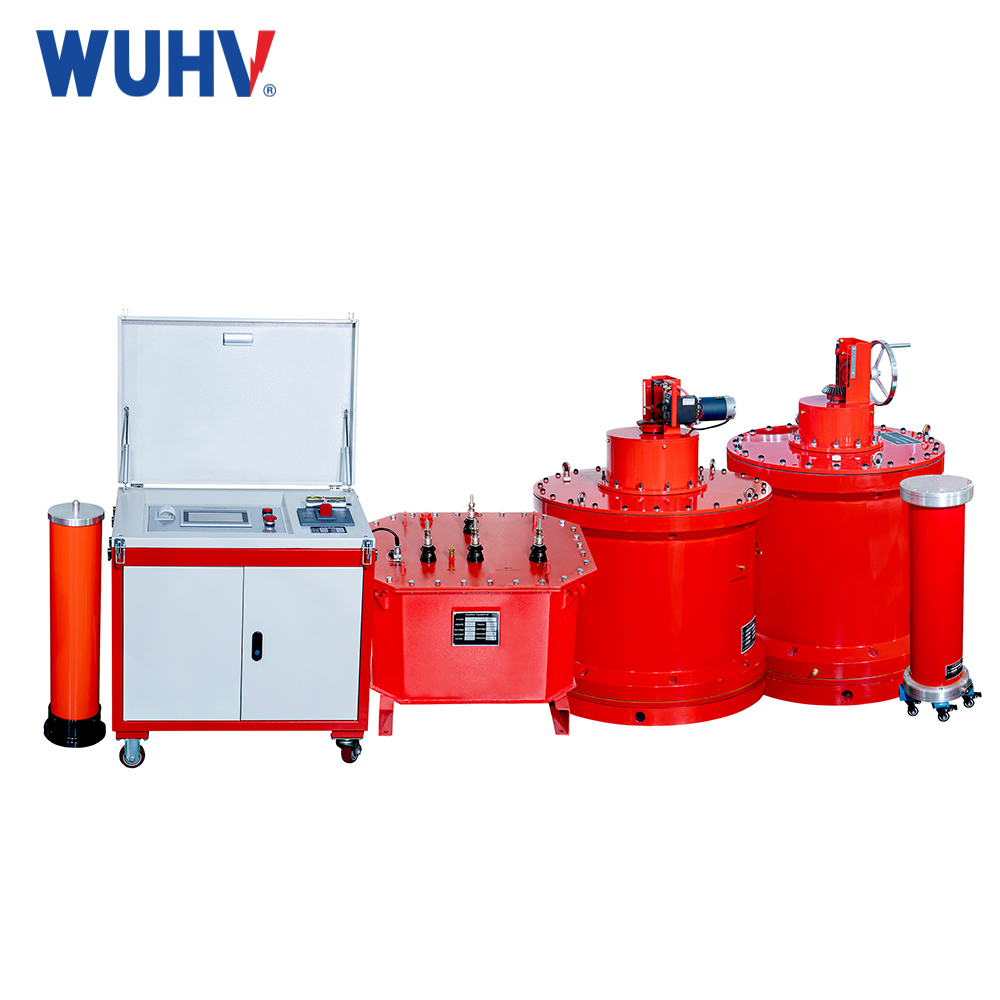
By observing, listening, smelling, and touching, timely prevention and handling of the operation and faults of the AC motor type test bench are carried out to ensure the normal operation of the motor.
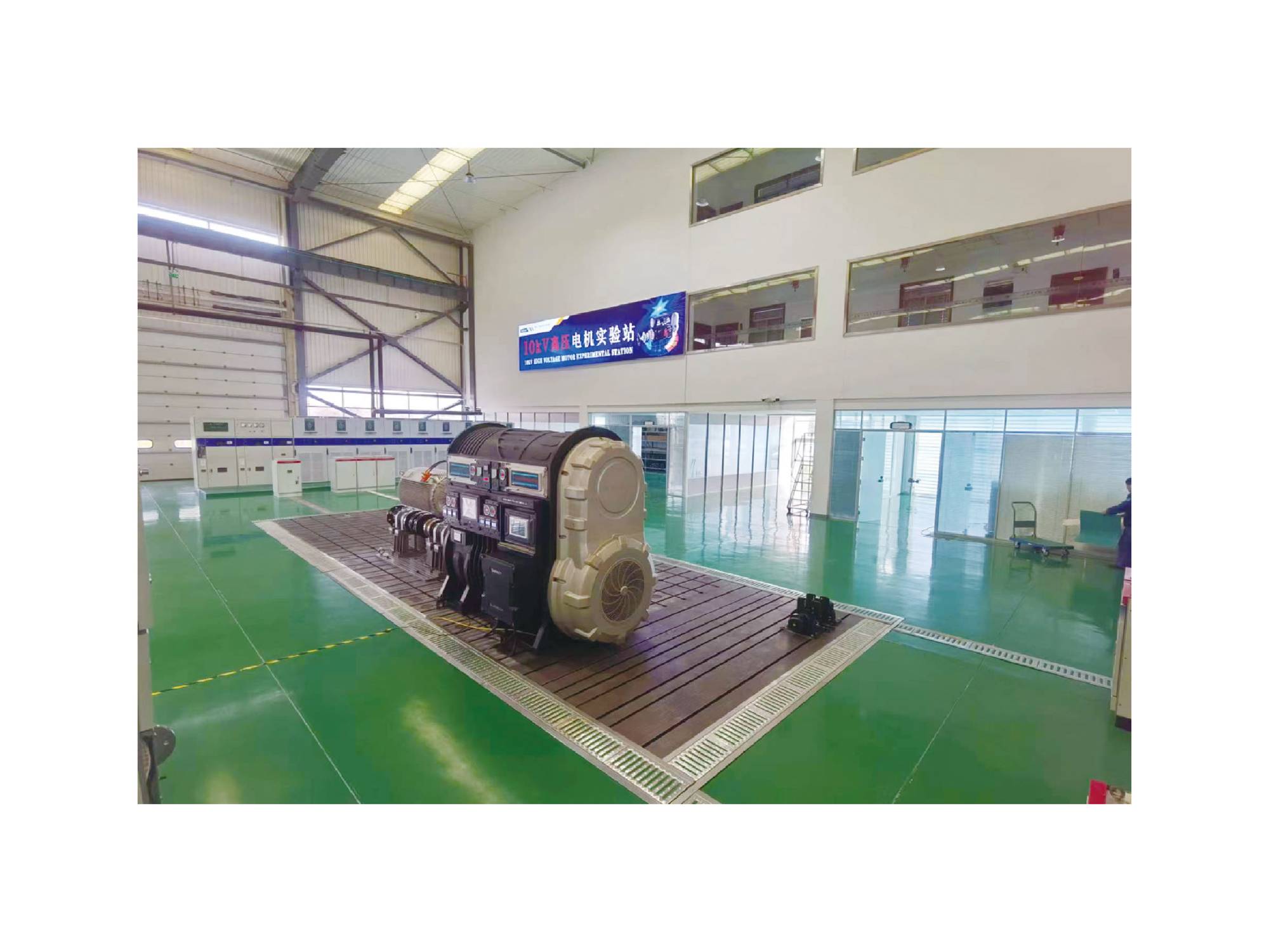
1、 Observation
During the operation of the motor, attention should be paid to whether there are any abnormal phenomena.
When the stator winding of the motor is short circuited, smoke will appear.
When the motor is severely overloaded or out of phase, the rotational speed will slow down and make a buzzing sound.
3. The motor maintenance network works normally, but sparks may appear at the wiring points when suddenly stopped; Fuses or parts stuck, etc.
If the motor experiences strong vibration, it may be due to the transmission mechanism getting stuck, the motor being poorly fixed, or the foot bolts becoming loose.
5. If there is discoloration, burn marks, smoke, etc. on the internal contact surface and connection of the motor, it indicates local overheating, poor contact at the conductor joints, or burnt coils.
2、 Listen up
The motor should have a uniform and slight buzzing sound during normal operation, without any noise or special noise. If the generated noise is too loud, including electromagnetic noise, bearing noise, ventilation noise, mechanical friction noise, etc., it may be a precursor to a malfunction.
In terms of electromagnetic noise, when the motor emits loud, low, or loud noises, there may be the following reasons:
(1) The air gap between the stator and rotor is uneven, and the sound is sometimes high and sometimes low. The interval between high and low frequencies does not change. This is because the wear of the bearings causes the midpoint positions of the stator and rotor to be different.
(2) Three phase current imbalance If the three-phase coil has incorrect grounding, short circuit, poor contact, etc., and the sound is very low, it means that the motor is severely overloaded or out of phase.
(3) Loose iron core; When the motor is working, the loosening of the iron core fixing bolts caused by vibration leads to the loosening of the silicon steel iron core and generates noise.
2. When the motor is running, the noise of the bearings should be heard frequently. The monitoring method is to use one end of a screwdriver to press against the support and the other end to lean against the ear, so that the sound of rotation can be heard. If the bearing works well, its sound is "rustling" and there will be no undulations or metal friction sounds.
If any of the following situations occur, it is considered abnormal:
(1) The bearing makes a "squeaking" sound during operation, which is caused by the sound of metal friction due to the lack of lubricating oil in the bearing.
(2) If there is a "chirping" sound, it is a rolling sound, usually due to dry or lack of lubricating grease, so appropriate grease can be added.
(3) If a "clicking" or "creaking" sound occurs, it is due to the irregular movement of the ball bearings inside the bearing, or the drying of the lubricating grease caused by the Mazda not being used for a long time.
When the transmission and the driven device make continuous, non high or low noise, it can be divided into the following situations.
(1) The periodic "popping" sound caused by uneven belt connections.
(2) A periodic "thudding" sound caused by looseness between the connecting piece or pulley and the shaft, as well as wear on the key or keyway.
(3) The non-uniform impact sound caused by the blades hitting the fan cover.
3、 Smell it
At the same time, use the sense of smell to detect and prevent faults in the AC motor type test bench. Open the power box and smell it with your nose. If there is a special smell of paint, it indicates that the internal temperature of the motor is too high; If there is a strong burnt or burnt smell, it indicates that the insulation protection net has been broken or the coil has been burned out. If there is no odor, a megohmmeter must be used to measure the insulation resistance between the coil and the shell, which is less than 0.5 megohms, and drying must be carried out. If the resistance is 0, it means it has been damaged.
4、 Touch
By touching the temperature of certain parts of the motor, the cause of the malfunction can also be determined. To ensure stability during use, touch the motor casing and bearings with the back of your hand. If abnormal temperature occurs, there are the following reasons.
1. Poor air quality. Such as fan detachment, blocked ventilation ducts, etc.
2. Overloading. Causing excessive current, resulting in heating of the stator winding.
3. Three phase current imbalance, stator winding turn to turn short circuit.
4. Frequent starting and braking.
If the temperature near the bearing is too high, it may be due to bearing wear or a lack of lubricating oil.
Temperature regulations for motor bearings, causes and solutions of abnormal phenomena
The standard requires that the maximum temperature of rolling bearings should not exceed 95 degrees Celsius, while the maximum temperature of sliding bearings should not exceed 80 degrees Celsius. The temperature rise shall not exceed 55 degrees Celsius (i.e. the bearing temperature minus the ambient temperature during the test);
Especially the reasons and solutions for the increase in bearing temperature:
(1) Reason: Bending of the axis and deviation of the centerline.
process Repositioning.
(2) Cause: There is a problem with the base screws.
Operation: Tighten the base screws.
(3) The reason for the unclean oil of the AC motor type test bench.
Operation: Add engine oil.
(4) The engine oil is not changed for a long time.
Maintenance: Clean the bearings thoroughly and change the oil.
(5) Fault: The ball or ball inside the bearing is damaged.
Repair: The new bearing has been replaced.