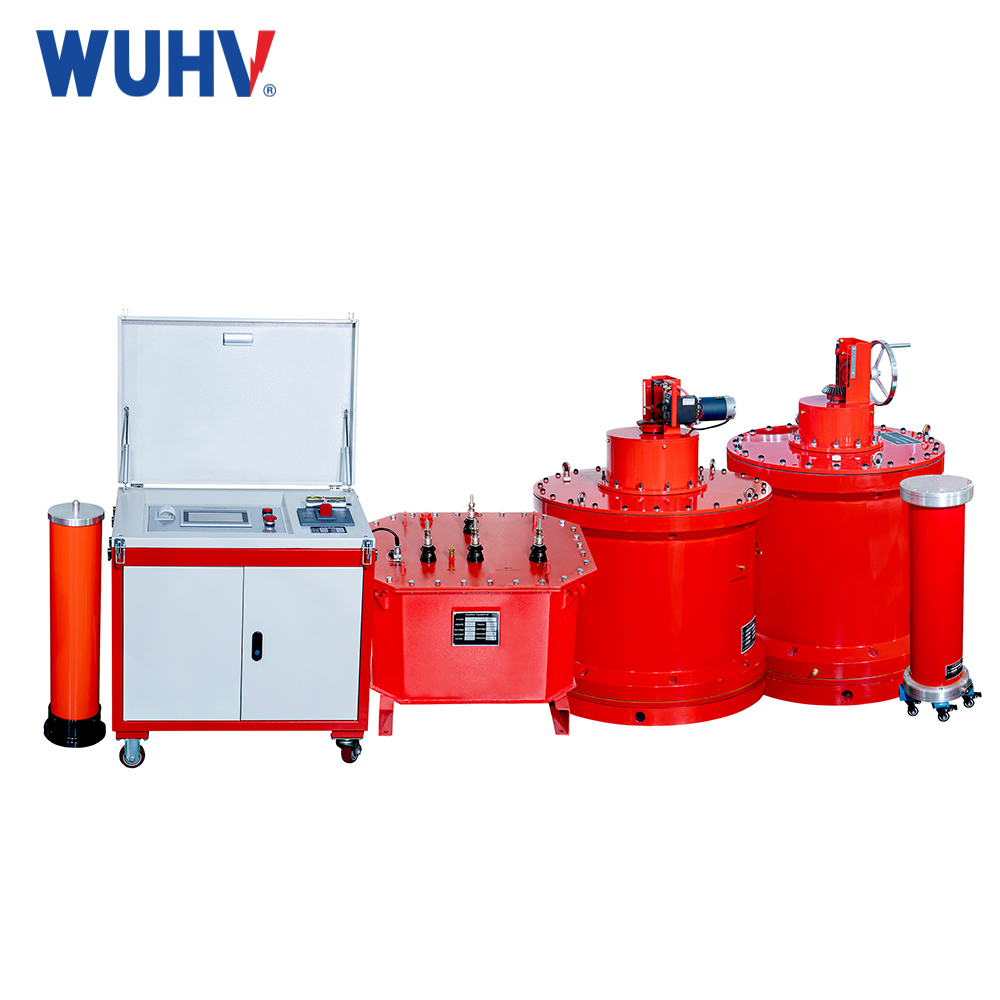
Measure the insulation resistance of the stator coil to ground with a shaking table. If it is greater than 1 megohm, it indicates that the motor stator is in good condition. Measure the insulation resistance between the stator coils, and if it is greater than 1 megohm, it also indicates that there is no problem with the motor stator. Power on test run, measure whether the three-phase current is balanced, and if it is balanced, the motor stator is good.
For factories and laboratories, there are professional motor stator measurement equipment. For example, the stator measurement system for AC motors can measure AC withstand voltage, insulation resistance, turn to turn withstand voltage, DC resistance, inductance, reverse embedding, steering, etc. It has ultra-high performance, is compatible with multiple projects, easy to maintain, supports intelligent self inspection, remote fault diagnosis, and online software upgrades. The plug-in design is convenient for disassembly and replacement, and the measurement efficiency is high and accurate.
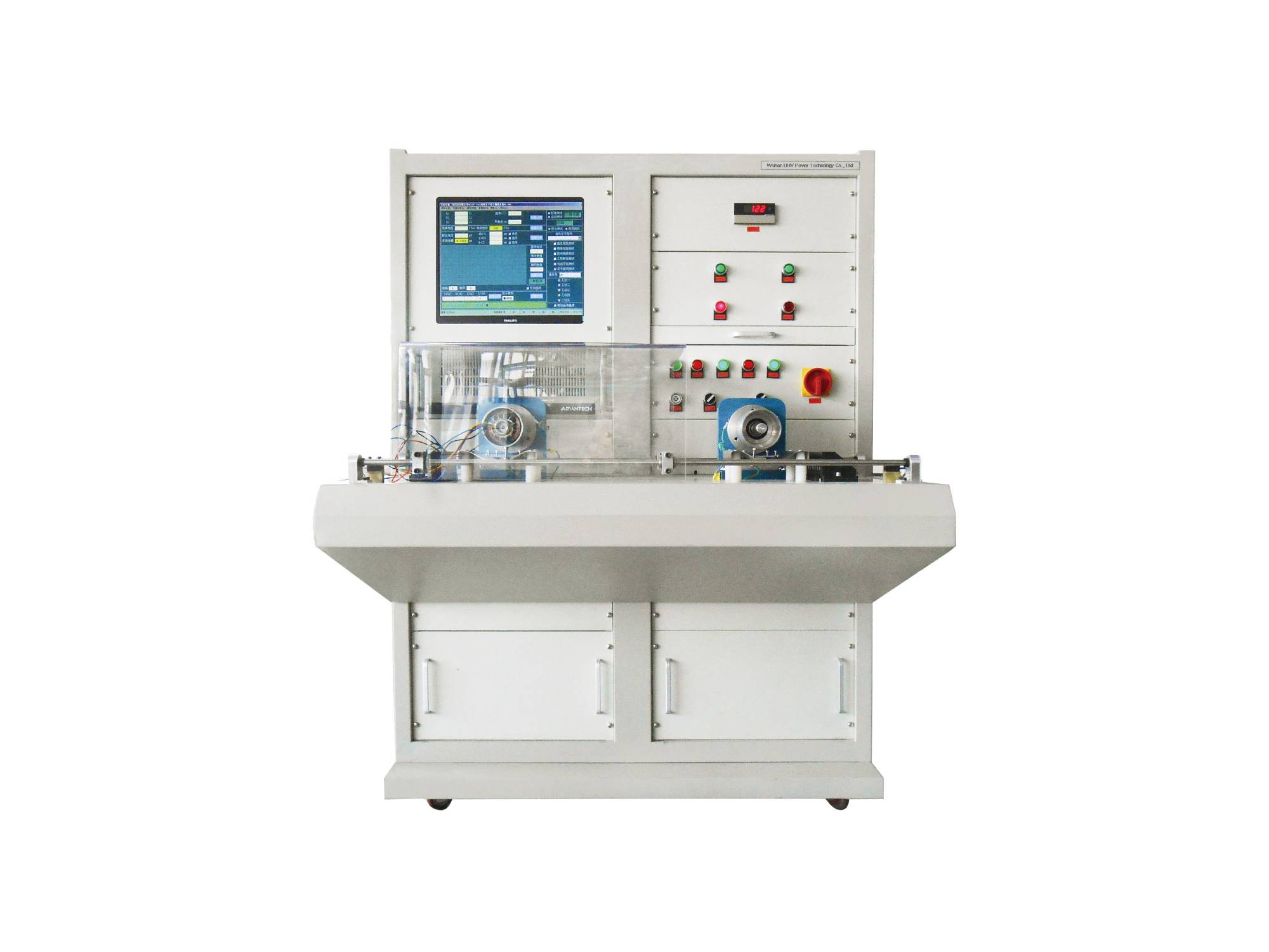
Thestator measurement system for three-phase motors can measure AC withstand voltage, insulation resistance, turn to turn withstand voltage, DC resistance, steering, etc. High power motor turn to turn withstand voltage measurement can be equipped with a large turn to turn measurement system, which uses military grade electronic components to improve measurement efficiency.
The servo motor stator measurement system can measure AC withstand voltage, insulation resistance, turn to turn withstand voltage, DC resistance, phase to phase withstand voltage, inductance, etc. It supports power on self-test and remote maintenance functions to ensure equipment operation and stator production efficiency.
The stepper motor stator measurement system can measure AC withstand voltage, insulation resistance, turn to turn withstand voltage, DC resistance, phase to phase withstand voltage, inductance, phase sequence, etc. One clamping can complete all preset project measurements, saving labor costs.
The measurement system for brushless motor stator and brushed motor stator can measure AC withstand voltage, insulation resistance, turn to turn withstand voltage, DC resistance, inductance, steering, back electromotive force, phase sequence, Holter property, etc. It adopts an efficient clamping scheme, facilitates operation, realizes assembly line production, stores massive sample information, has wide adaptability to equipment, and accurate measurement.
For the general public, a multimeter is a relatively simple stator measuring instrument. Measure the resistance value at both ends of the stator winding with a multimeter in the resistance range. If it is conductive, it indicates that the stator is normal. If it is non-conductive, it indicates that the stator winding is open circuited. Measure the resistance value between the stator winding wire end and the iron core with a multimeter in the resistance range. Normally, there should be no connection. If the conductivity or resistance value is less than 50M Ω, it indicates poor grounding or insulation of the stator winding.
In addition, there are DC resistance testing method, AC resistance testing method, and excitation current testing method. The DC resistance testing method involves first connecting a multimeter to both ends of the motor stator to measure the DC resistance value. If it exceeds the standard range, it indicates an abnormality. The AC resistance testing method is more accurate. When connected to an AC power supply to measure the AC resistance value, if it exceeds the standard range, it indicates the presence of a fault. The excitation current testing method determines whether the motor stator winding is short circuited by measuring the excitation current. If the current is abnormal, it indicates the existence of a short circuit.